
Your body compensates. You called it “fatigue”.
Stand tall.
Without thinking about it.
The back that pulls, the shoulder doing the work in your place, the weak side you’ve stopped looking at. In 120 seconds, you see on your own body what your nervous system is holding back, and what it lets go when it gets the chance.
15 minutes · refunded if the measurement doesn’t move

tests since 2023
field observation
countries in the certified network
certified testers
reach perfect posture with the Q-NeuroSync Pro
field observation, not audited
Perfect Posture Test
15 minutes to see what your body is really doing.
Refunded if the measurement doesn’t move
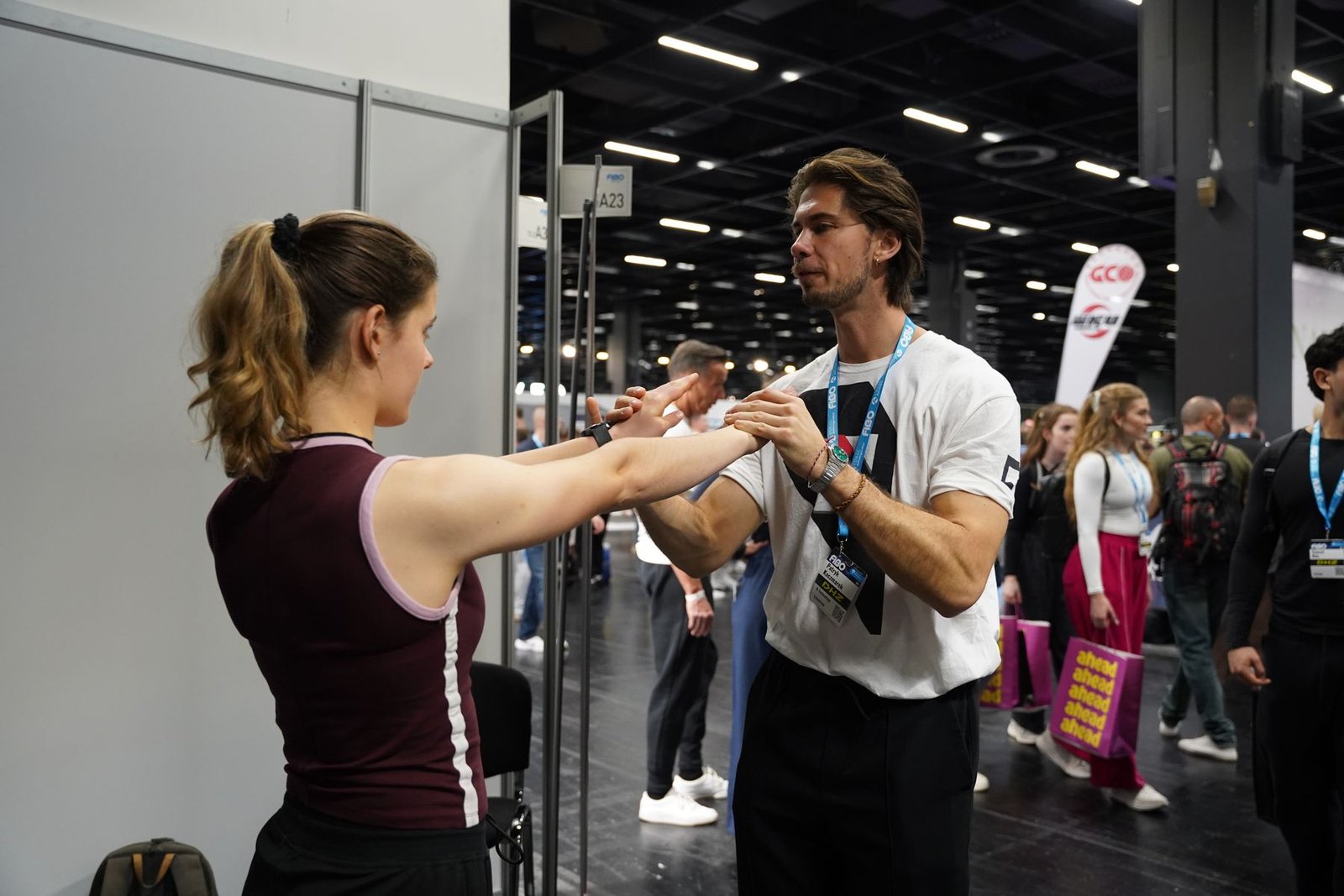
Recommended
Q-NeuroSync Pro
Perfect posture. Calibrated to you.
Chosen after your test.Not guessed.
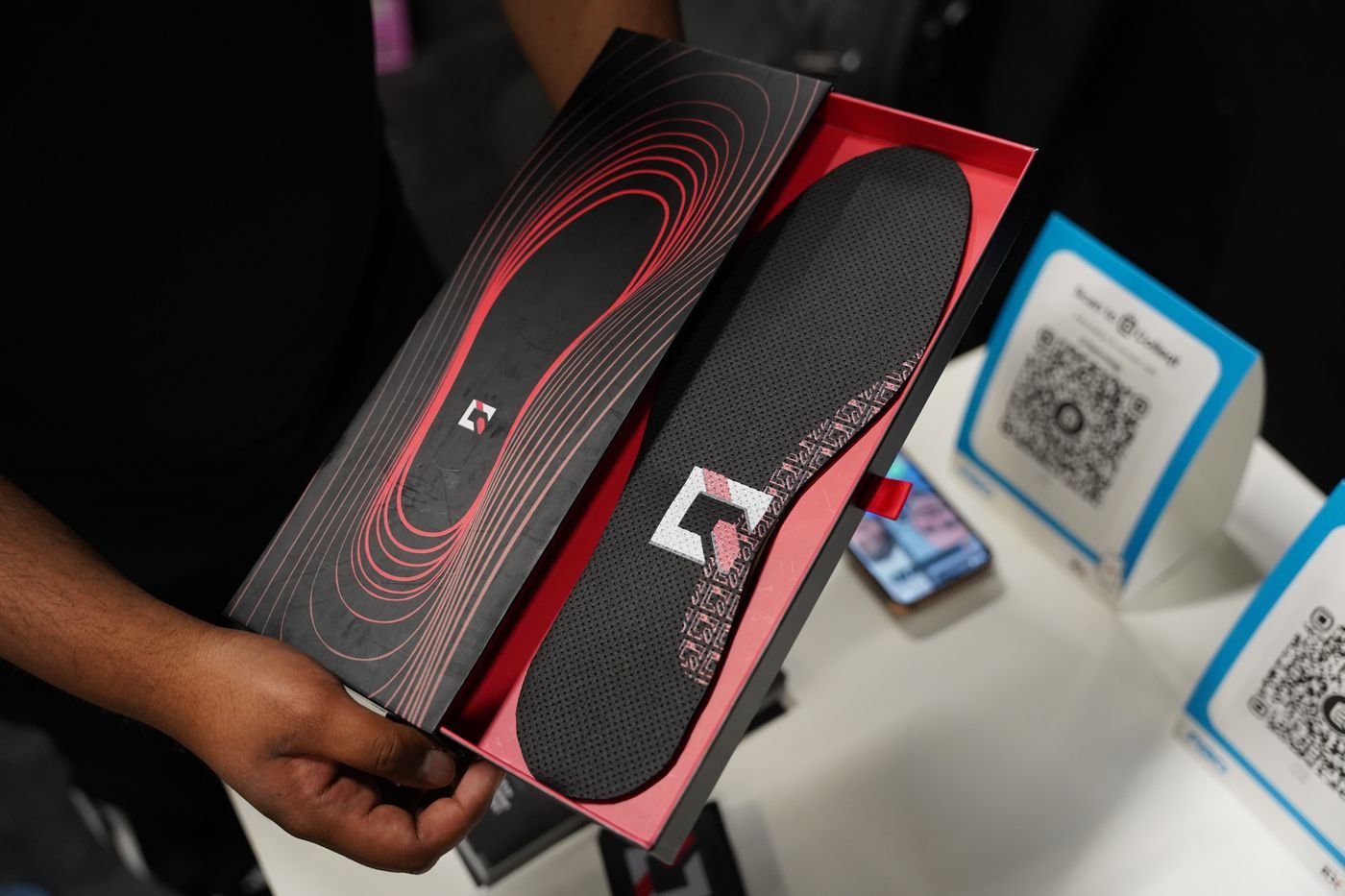
As a Duo, the Perfect Posture Test is included
No test needed
Q-Go
The simplest way to start.
Built to suit everyone.Not built to be perfect.
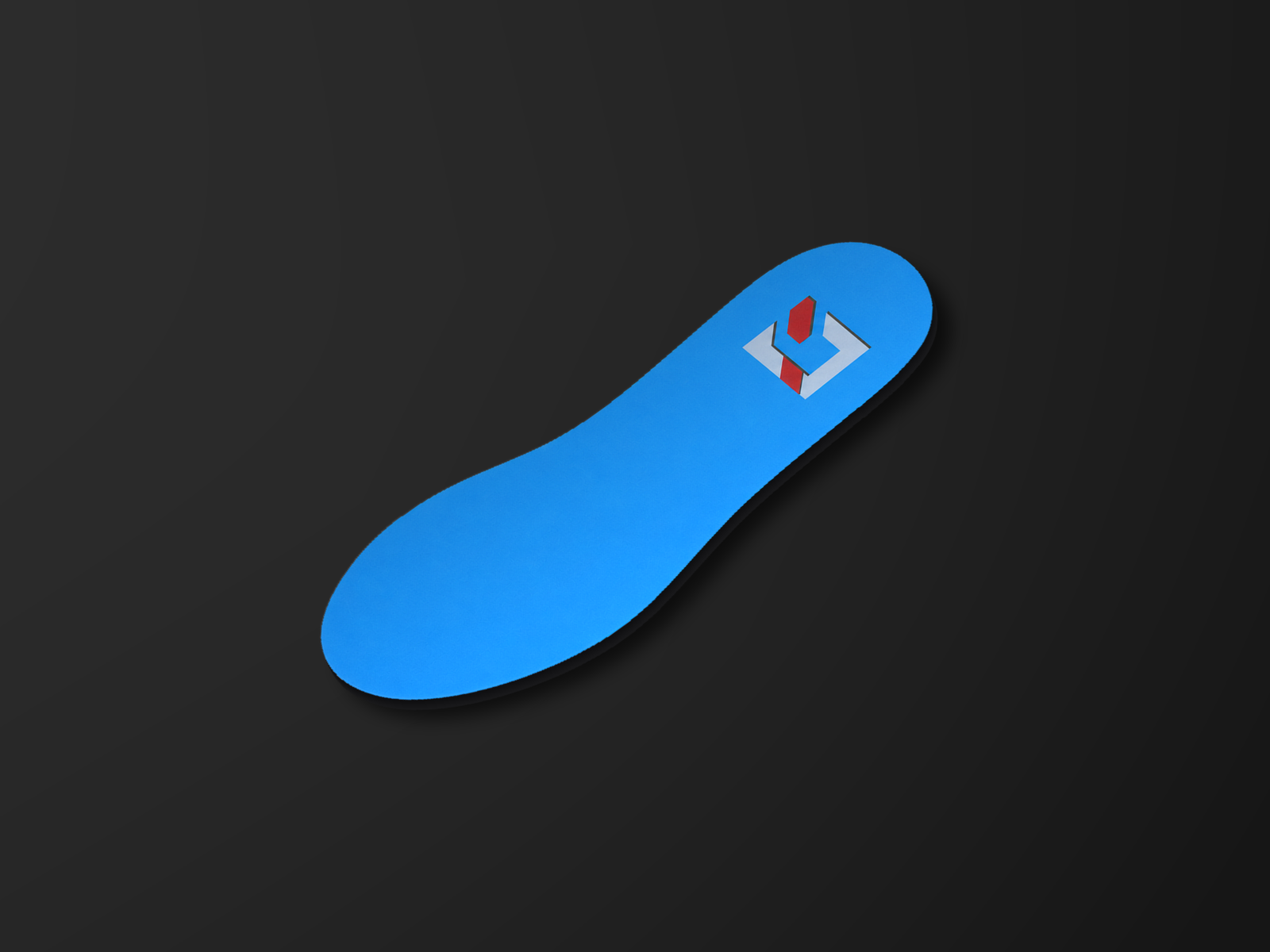
Observable improvements, never perfect posture
One technology, two formats.
The technology is the circuit. The insole carries it in your shoe; Q-Tape places it wherever you want.
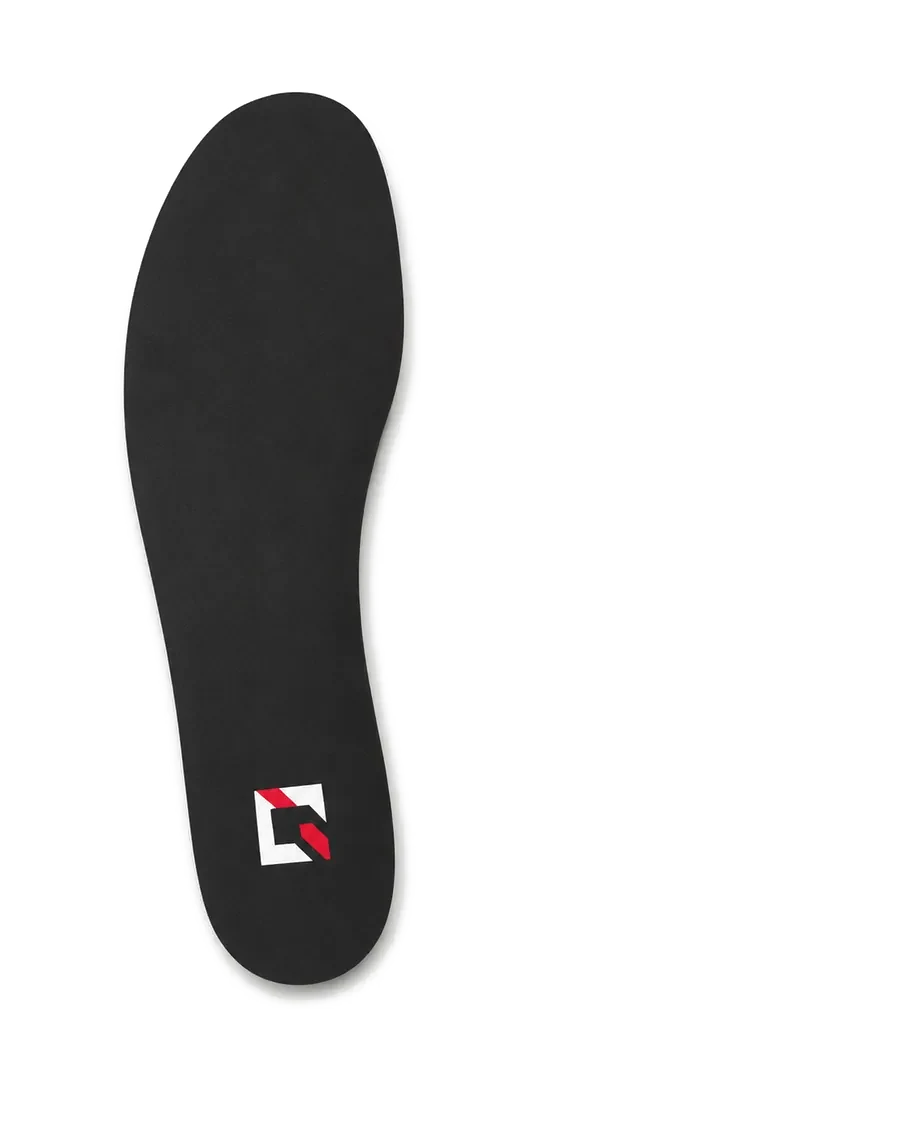
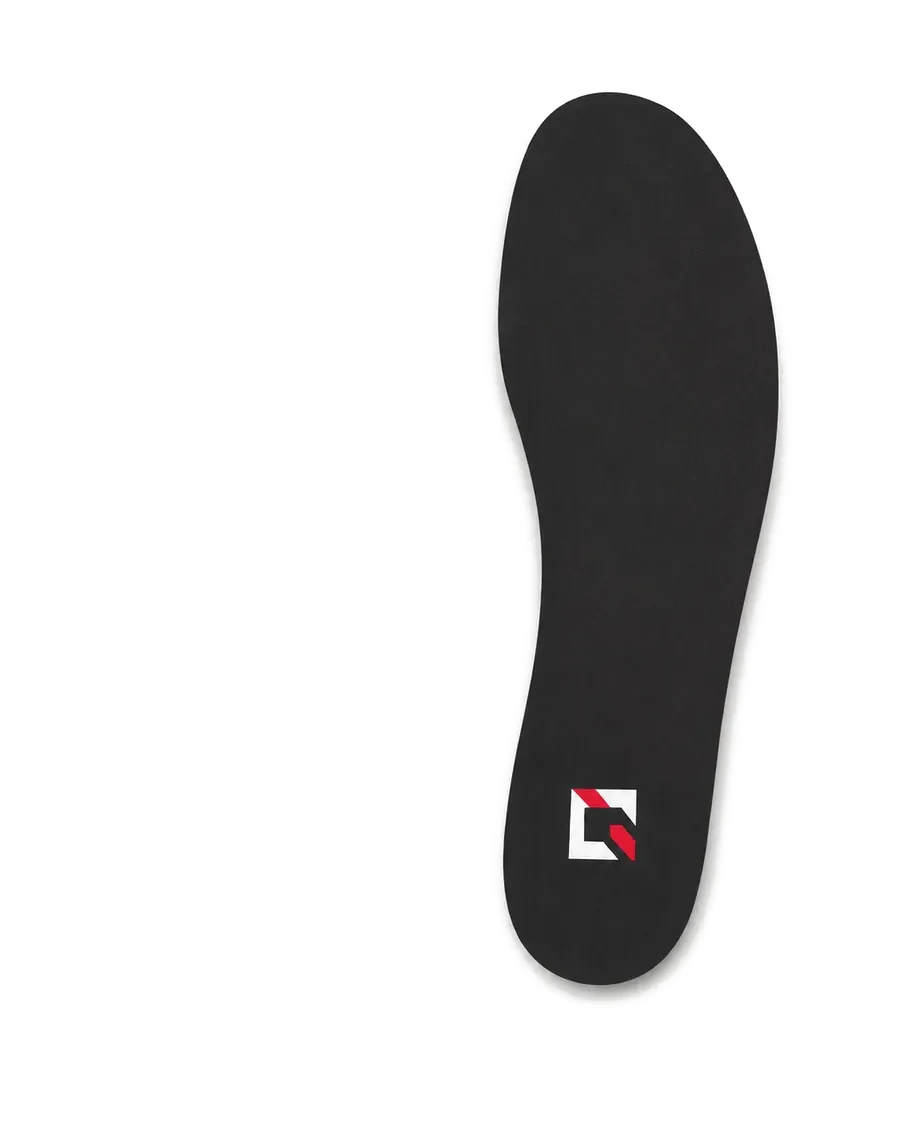
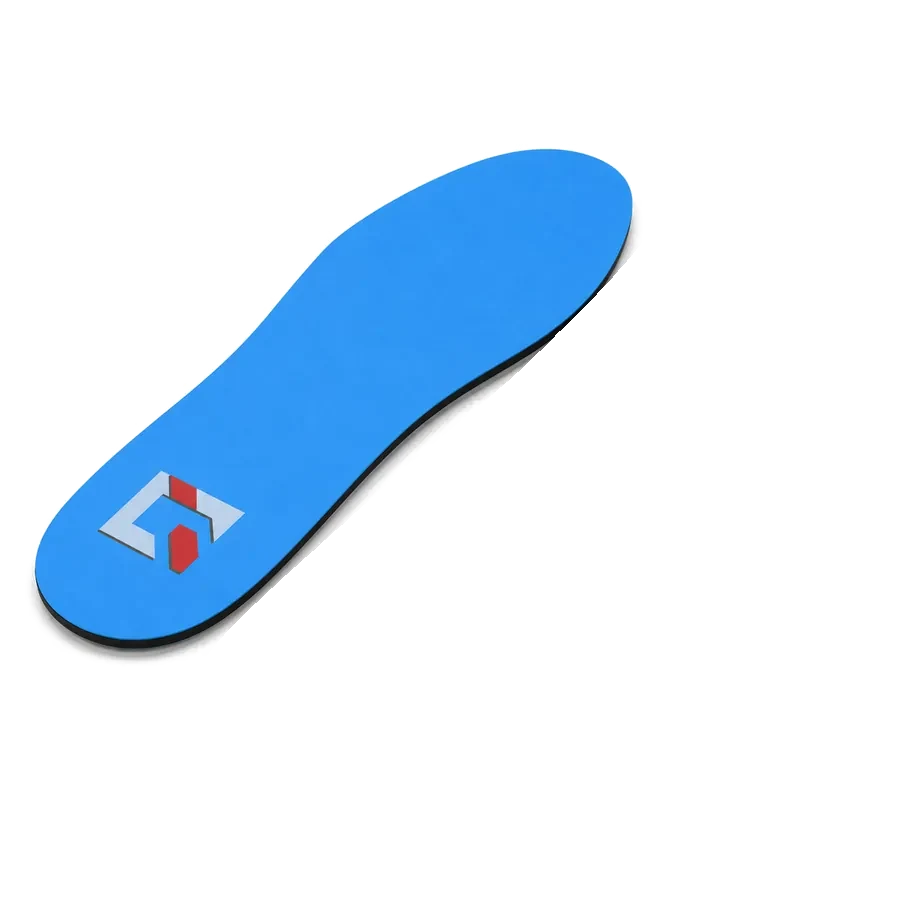
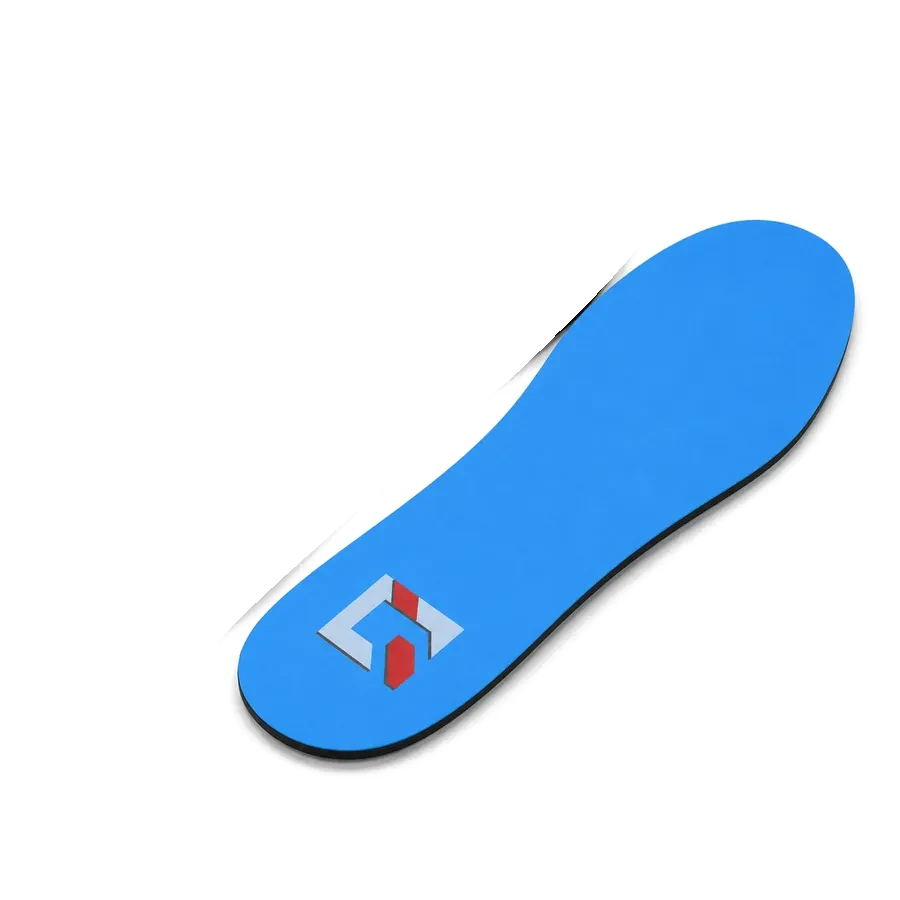
Insoles
In your shoe
The circuit sits inside a daywear insole. Slip it in, test, compare.
See the insoles ›
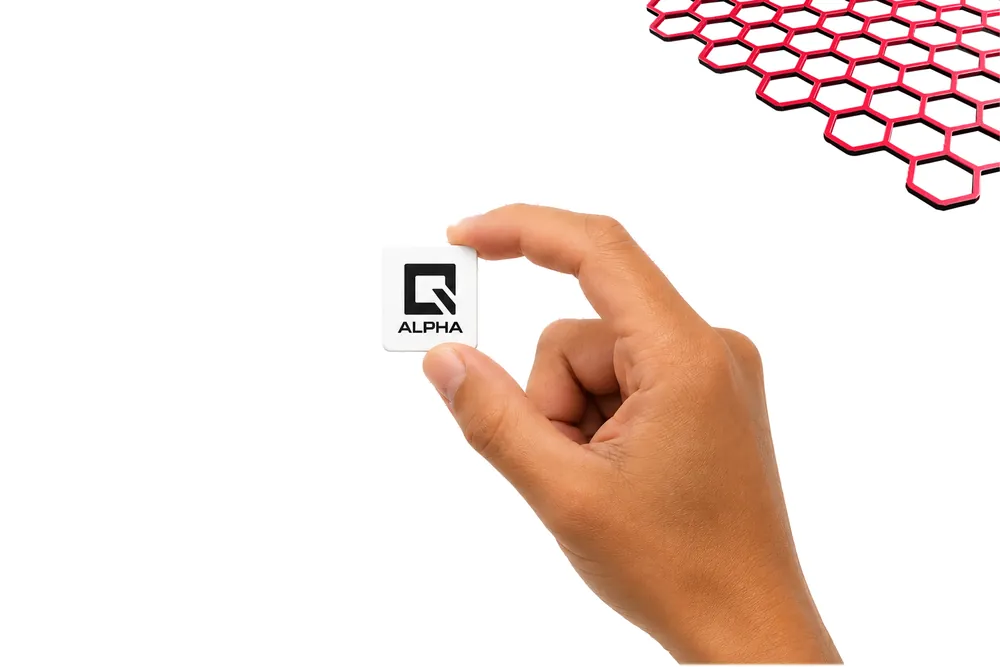
Chips
Anywhere, no shoes
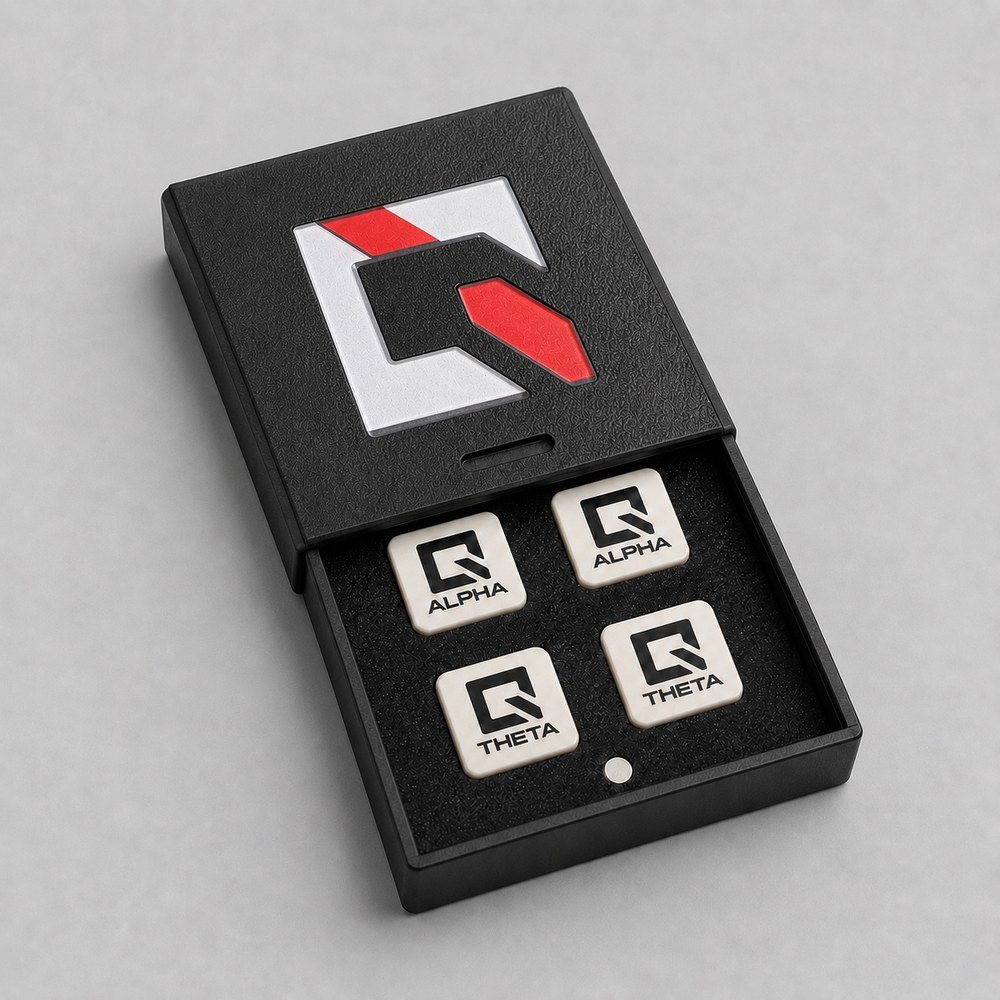
The same circuits, as a pair, fixed with Q-Tape under the foot, on the lower back or on a headband. No battery to replace.
See the chips ›
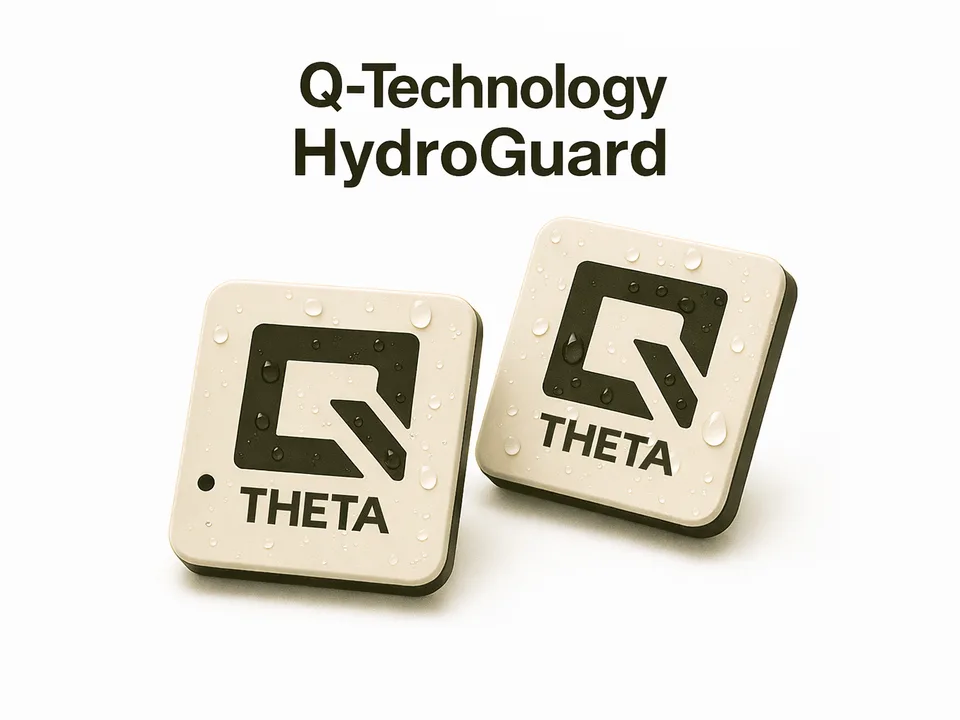
HydroGuard
For wet environments
Circuits sealed in a thin epoxy coating, made for water: rain, sweat, mud, machine washing.
See the HydroGuard option ›
An insole lasts 1 to 2 years depending on weight, sport and use. After that, you keep your circuit and only change the insole.
Official accessories
For a stable fit and more reproducible before / after tests.
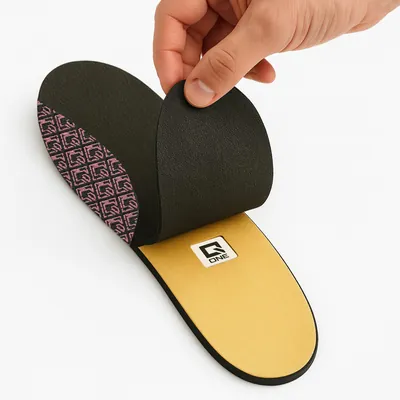 Replacement insole
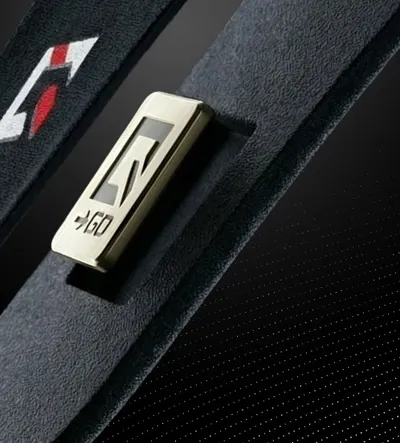 Q-Hybrid
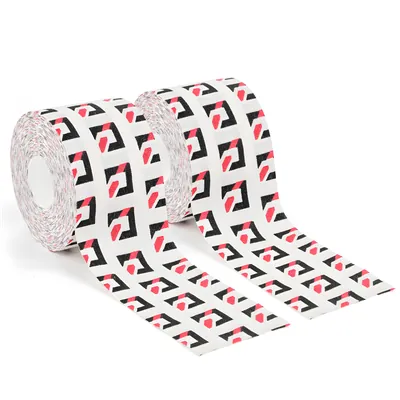 Q-Tape
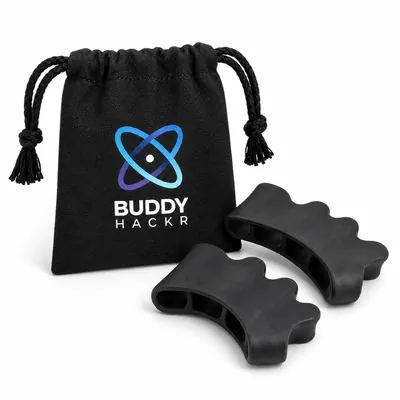 Buddy Hackr Toe Separators
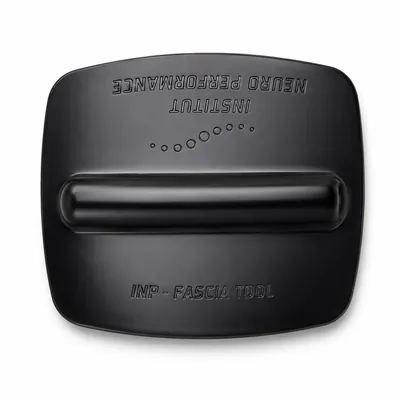 INP Fascia-Tool 3.0
 Q apparel and gear
Companies and clubs
Prove it before you roll it out.
A short demonstration, simple markers measured in front of your teams, then a rollout built around their reality.
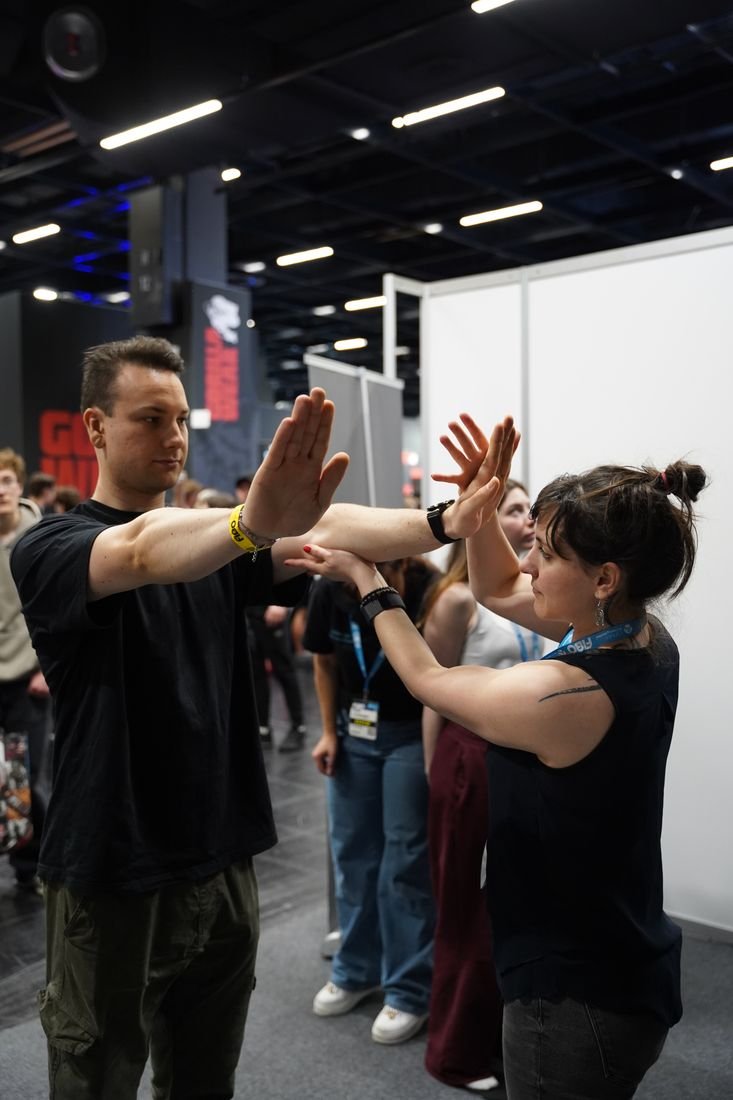
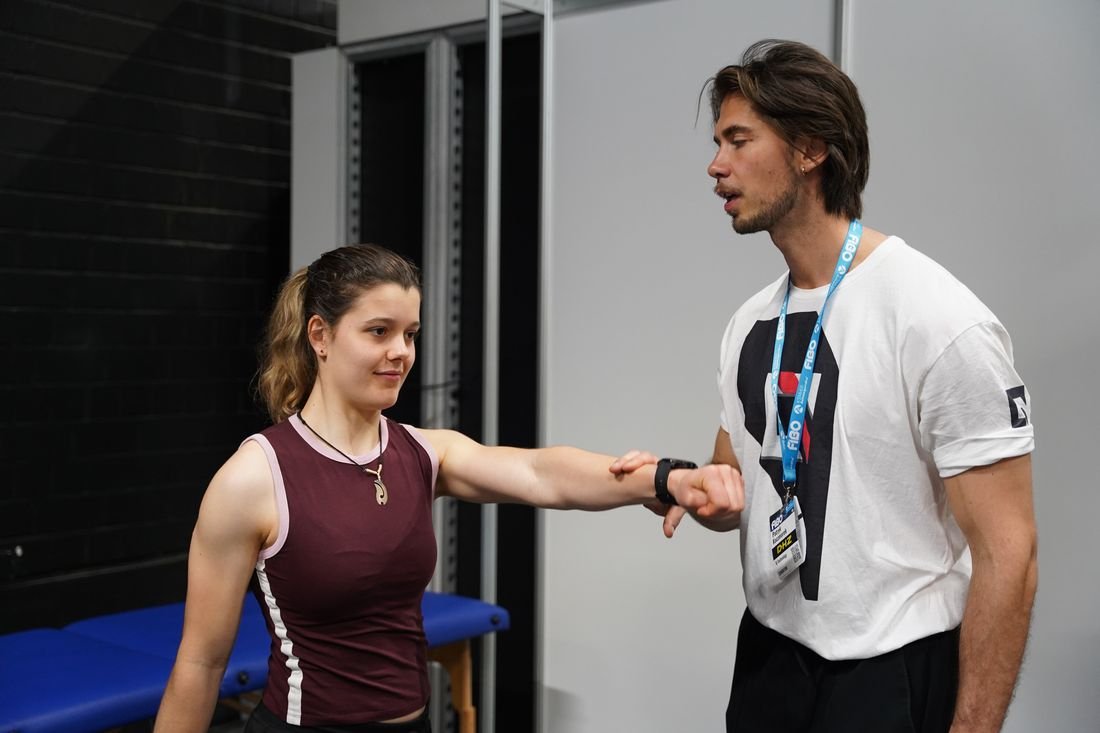

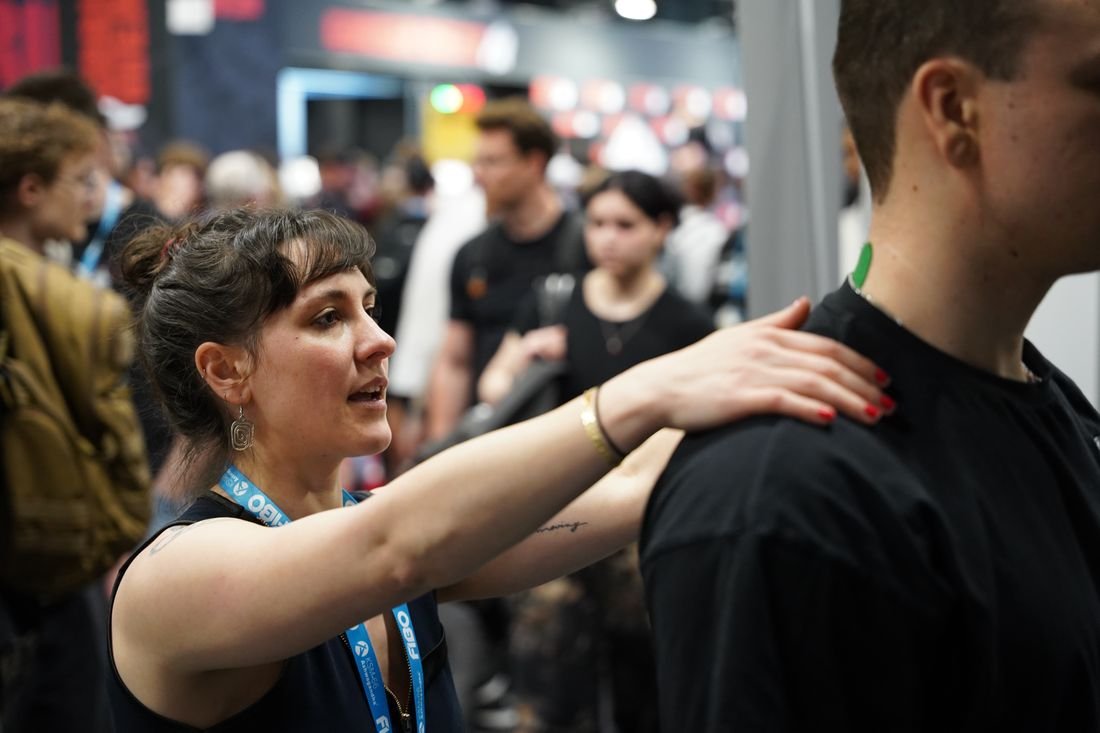
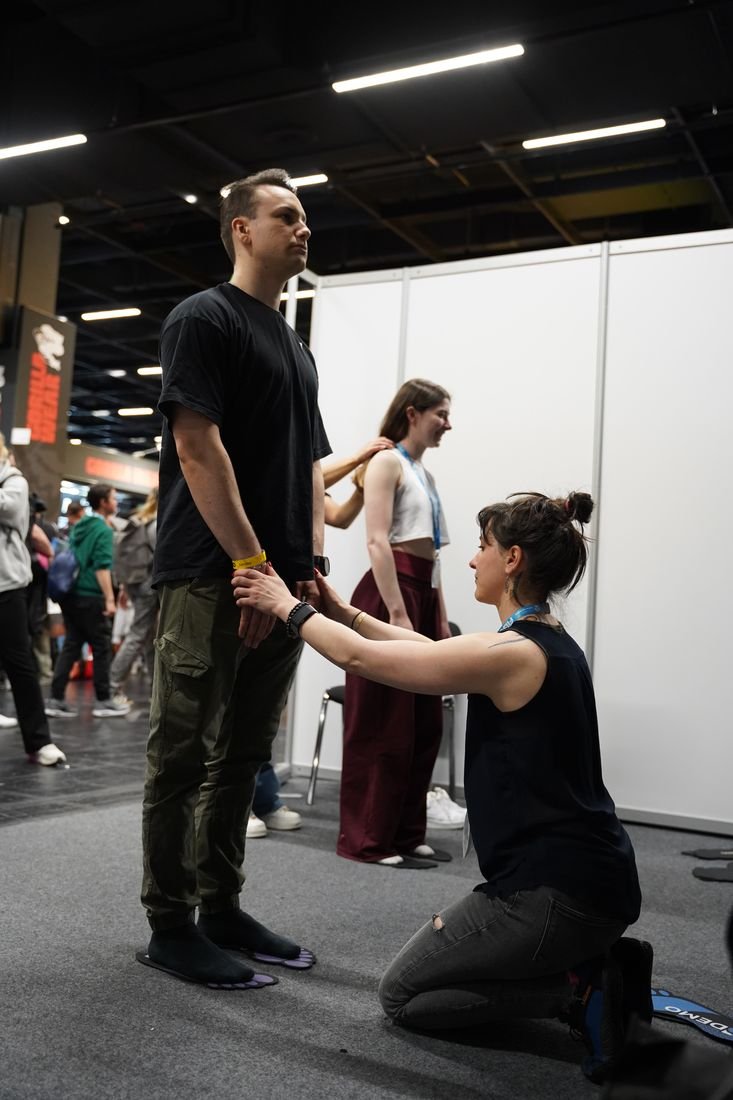
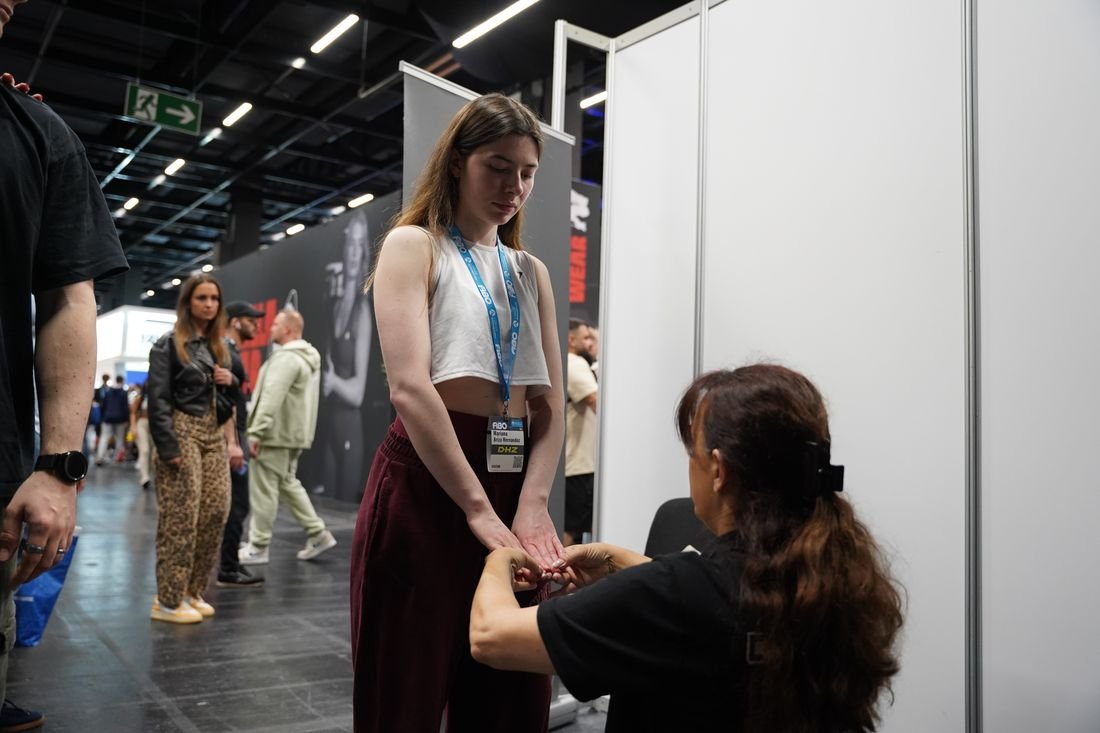
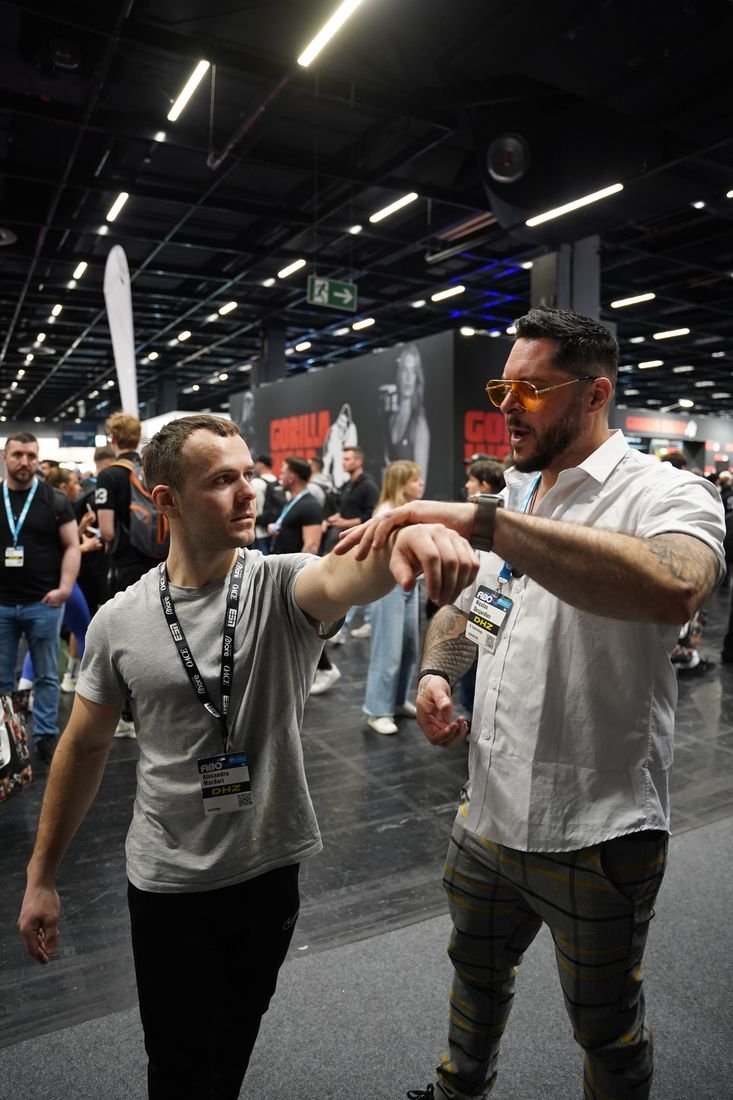
You don’t tell it.
You see it.
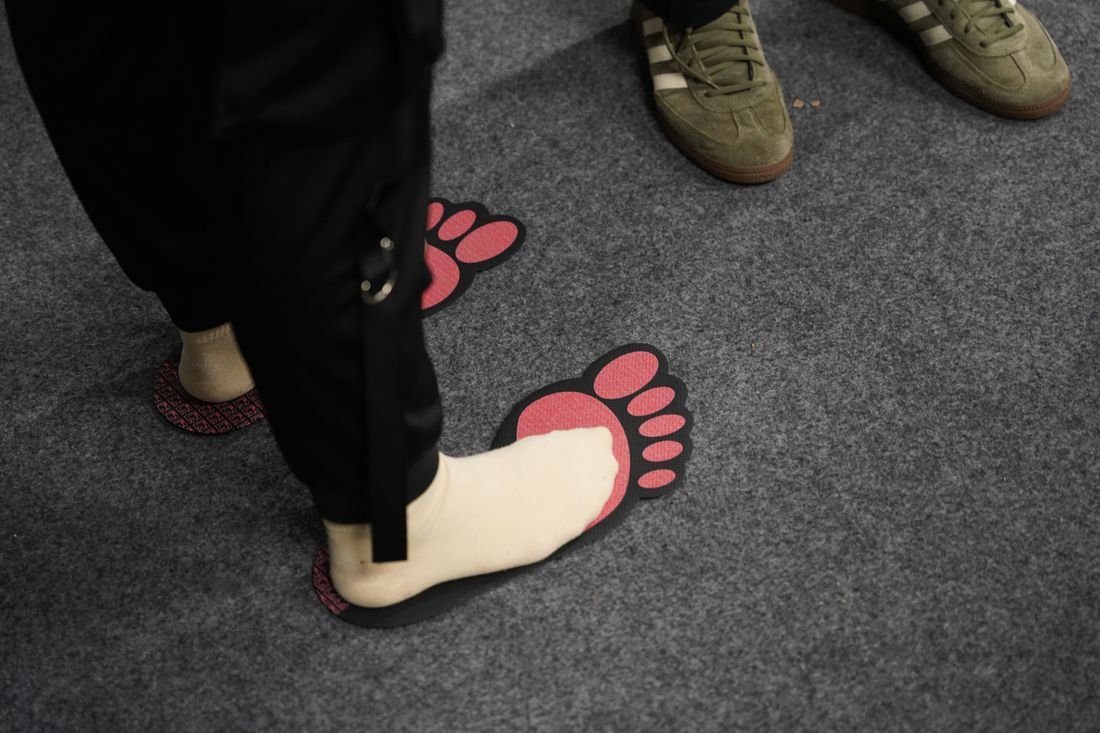
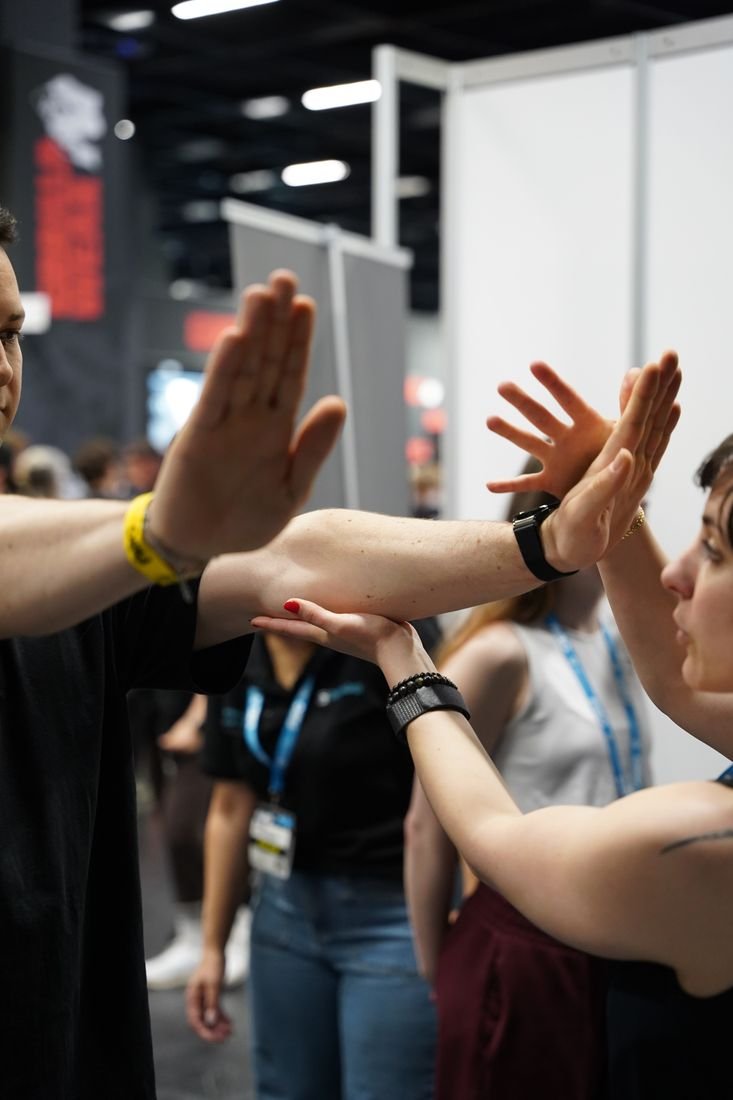
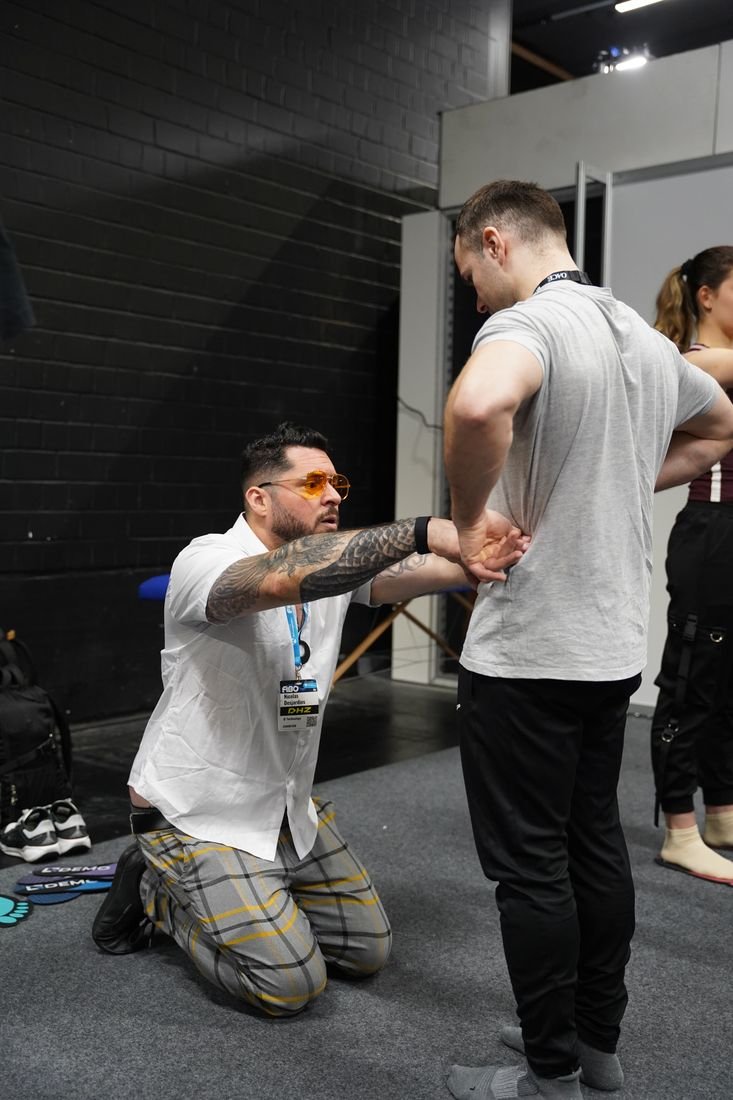
Same person, same test. First without the technology, then with the calibrated Q-Pro.
Scapular tests: we read the tips of the two middle fingers, because a postural tilt makes one look shorter than the other. Rotations: we look at how far the shoulder passes the midline. Pelvis and sacroiliac: we compare the height of both sides. Legs: we compare where the two heels end.
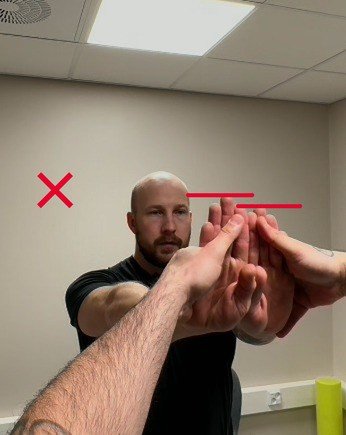
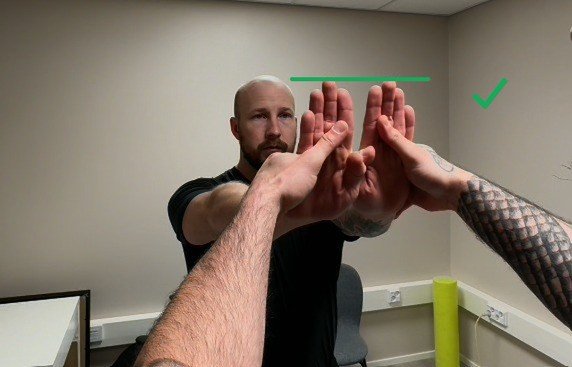
Without: one middle finger goes past the other. With the Q-Pro: both reach the same level.
Arms straight out in front, hands together
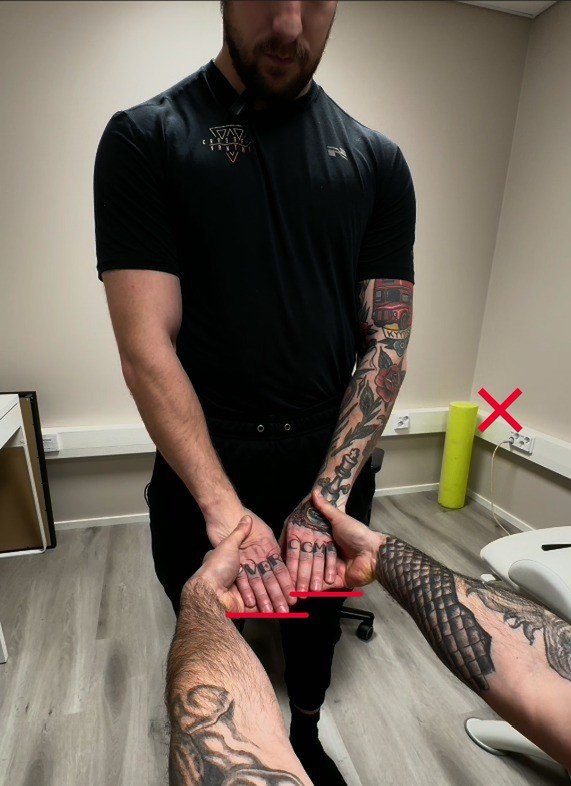
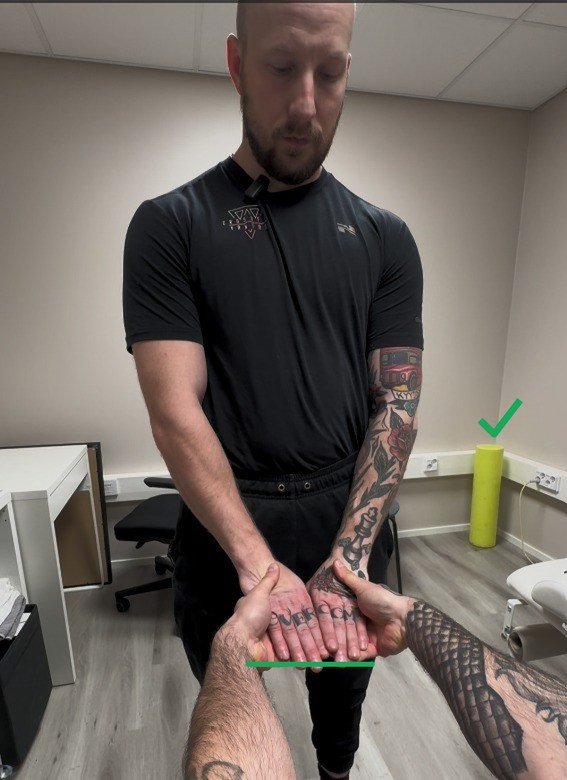
Without: one middle finger goes past the other. With the Q-Pro: both reach the same level.
Arms by the sides, palms up
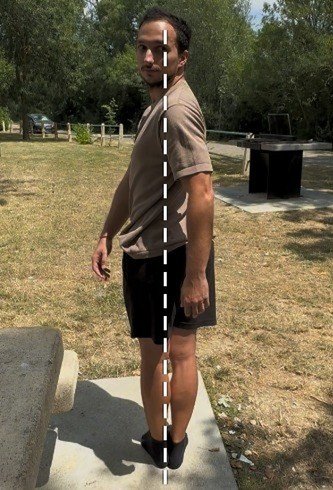
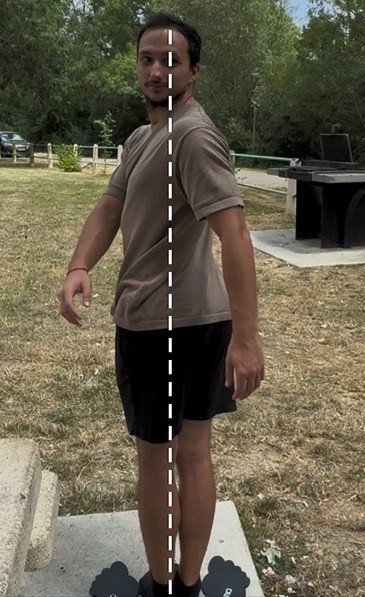
Rotation was already good at baseline. With the Q-Pro, the shoulder passes the midline more easily.
White dotted line: midline, at the centre of the base of support · different participant
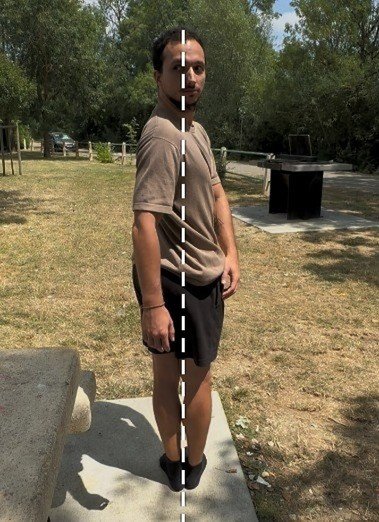
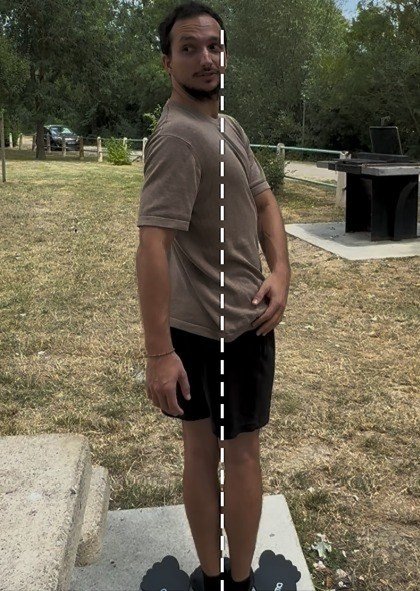
Rotation was already good at baseline. With the Q-Pro, the shoulder passes the midline more easily.
White dotted line: midline, at the centre of the base of support · same participant
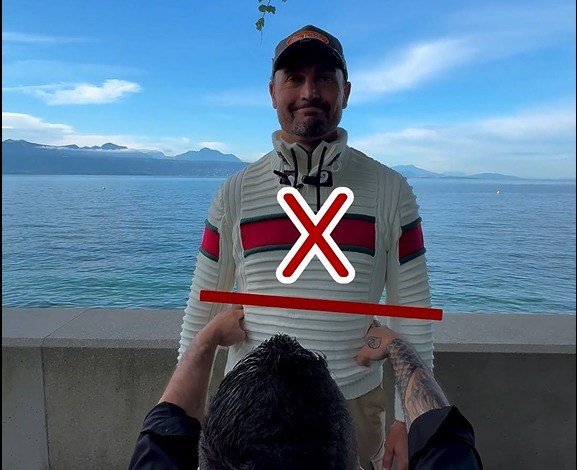
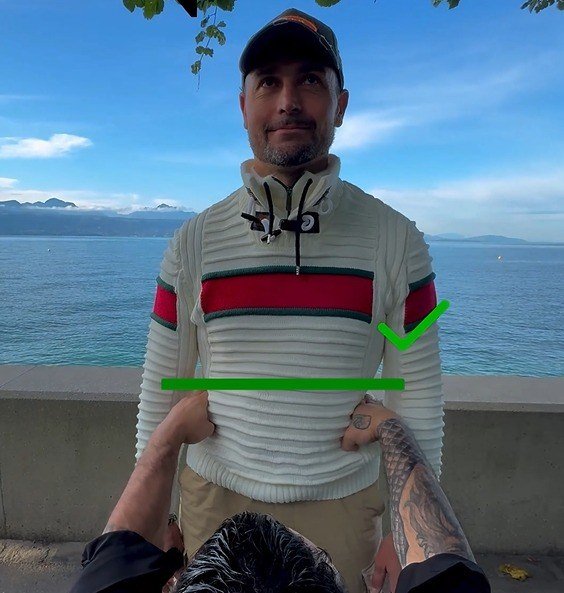
Without: one side of the pelvis is higher. With the Q-Pro: both sides are level.
Hands on the iliac crests · different participant
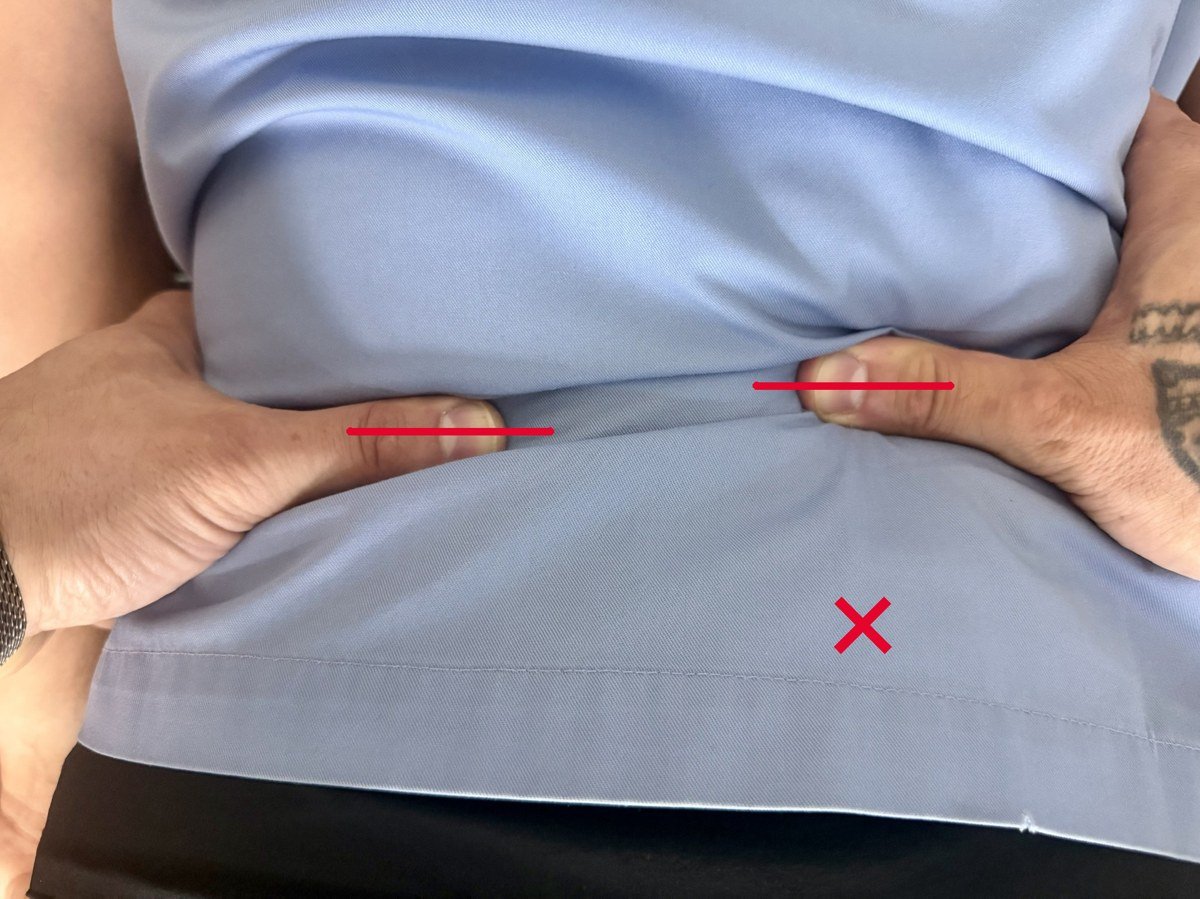
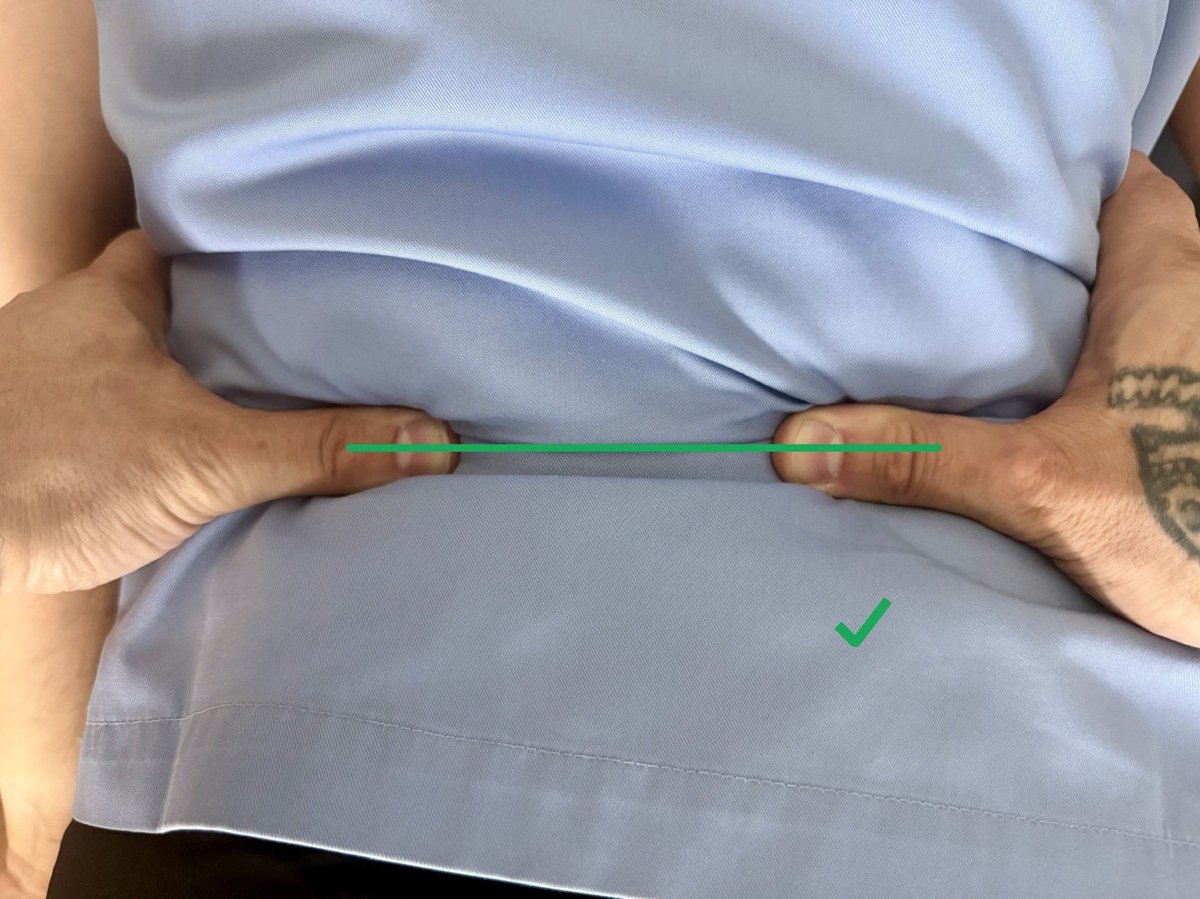
Without: one thumb is higher than the other. With the Q-Pro: both are level.
Thumbs on the iliac spines, at the back of the pelvis · different participant
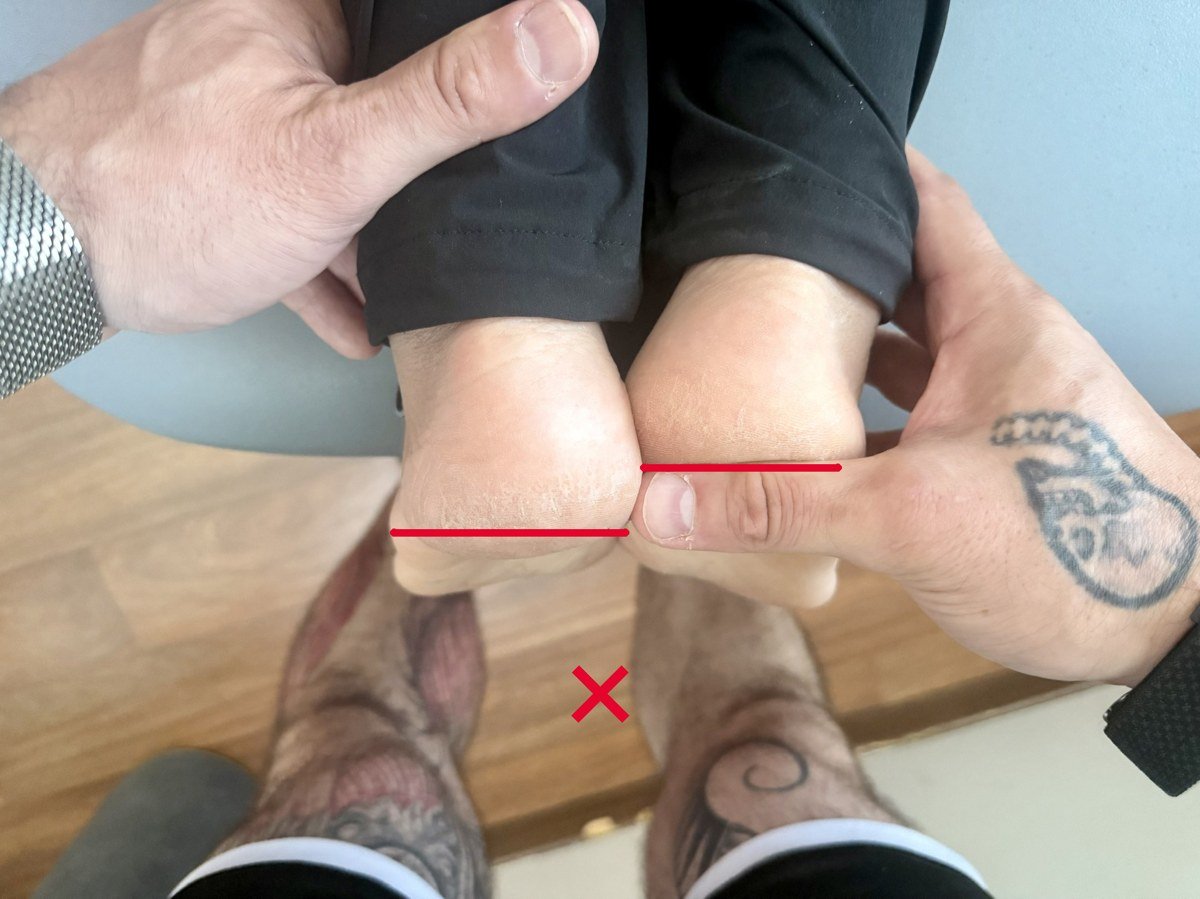
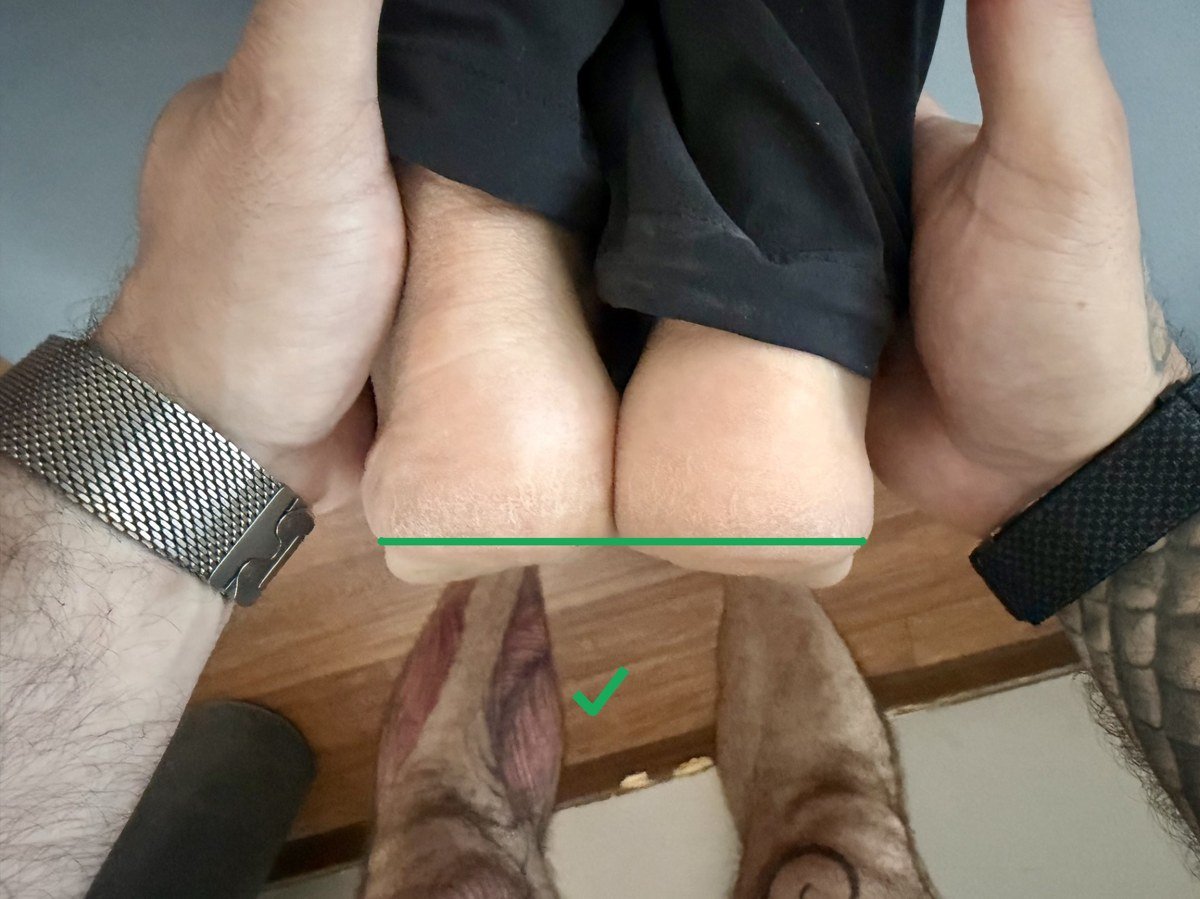
Without: one heel goes past the other by about a thumb’s width. With the Q-Pro: both heels end at the same level.
We read the edge under both heels · the thumb is the yardstick for the gap · same participant
Functional observation · individual results vary · not a medical claim · real people, signed consent, unretouched photos, markers added
We don’t block the waves.
We put them to work.
Chargers, power supplies, screens: electromagnetic energy surrounds you all the time. No circuit in the Q-Technology range has a battery: each one captures ambient energy within its own resonance band and converts it into a coherent signal your nervous system reads. Electromagnetic pollution becomes their power source.
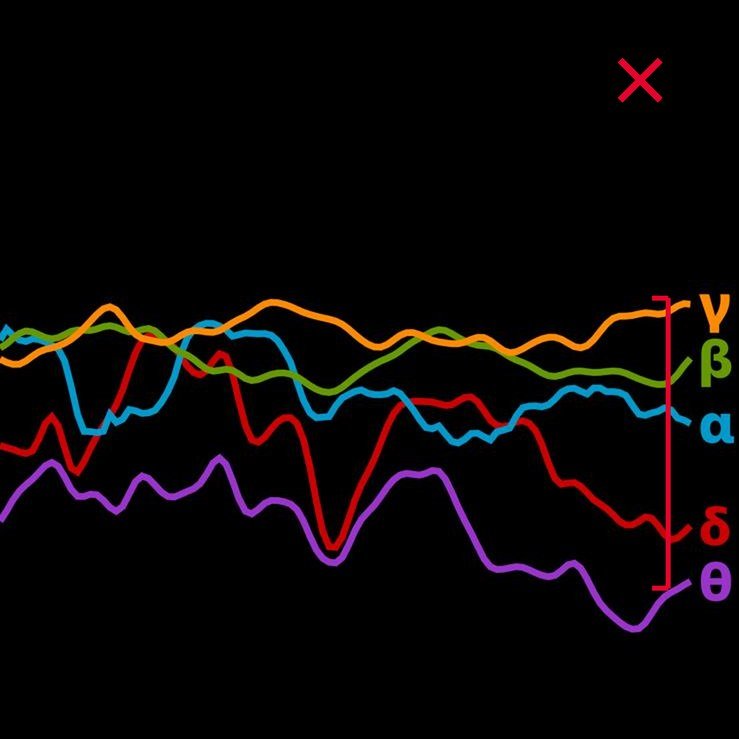
The problem · measured
×2.8
Gamma activity measured at the head when a laptop switches to mains power. On battery, it drops; switched off, it returns to resting level. The more active the source, the stronger the trace.
EMF pilot, EEG + cardiac sensors · single subject · 5 conditions · unaudited data · August 2025
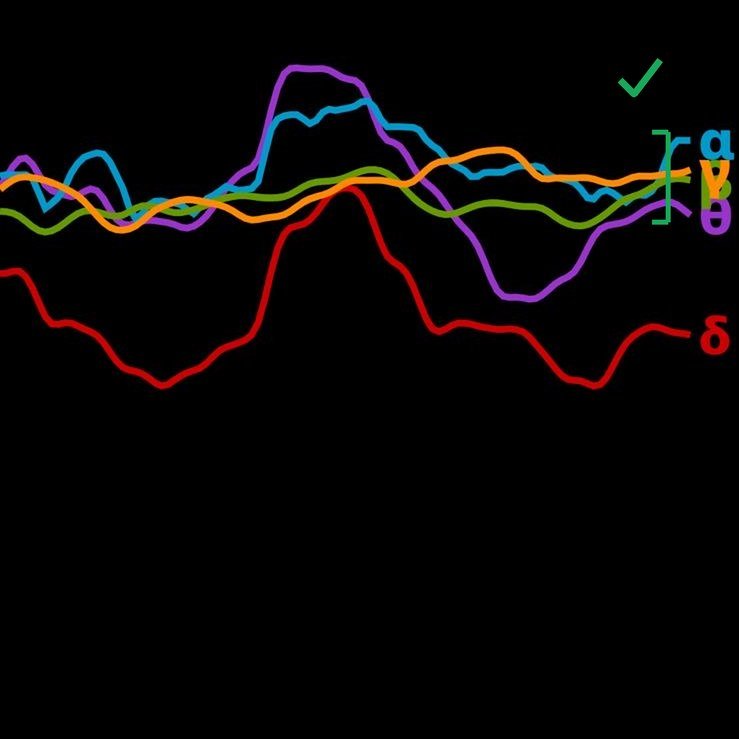
With a Q circuit · converging signal
3 / 3
Same laptop, same mains power, a Q circuit placed without contact (here a Q-Omega) and without the participant knowing: gamma −15%, flow variability −60%, the steadiest heart rate of the session. Three sensors, same direction. One possible reading: more stability.
Preliminary signal · n = 1 · single-blind, no sham circuit · to be confirmed with placebo and a cohort · August 2025
No shield. No story. A measurement, on you.
Published context: Bandara & Carpenter, commentary, Lancet Planetary Health, 2018 · Pall, J Cell Mol Med, 2013 (proposed mechanism)
The moment everything shifts.
The tester presses on your arm. It gives way. The circuit goes on. Same pressure. Your arm holds. You look at the tester, then at your arm, then at the tester again. Our testers live this moment with their clients every day: about 5,000 tests since 2023.
sagittal plane · front / back
frontal plane · tilts, knees, feet
transverse plane · rotations
Illustrations · the three planes observed in the Perfect Posture Test
Find your tester
Pick your city and pay for your test online. Your code unlocks the testers in your area, and you request your appointment.
Your profile emerges
Your posture without the technology, then each profile at its own pace.
Compare, decide
Before and after on your own body. You keep what it confirms.
The four biophysical profiles

Five measurements you see with your own eyes.
The certified tester measures, shows you, then repeats exactly the same measurements with your circuit.
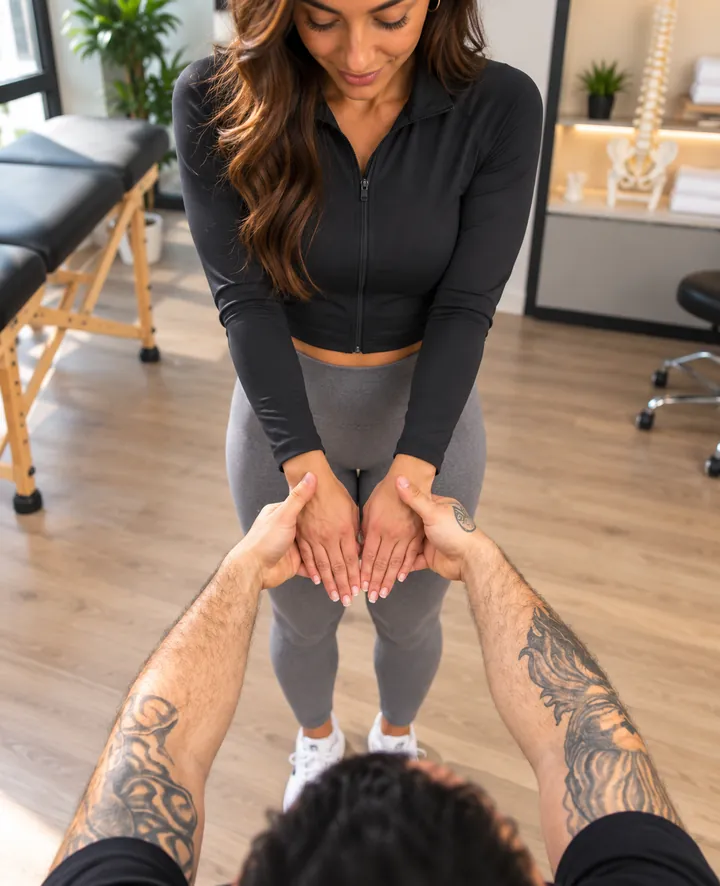
The tester compares the height of your wrists, then the length of your two middle fingers, hands joined.
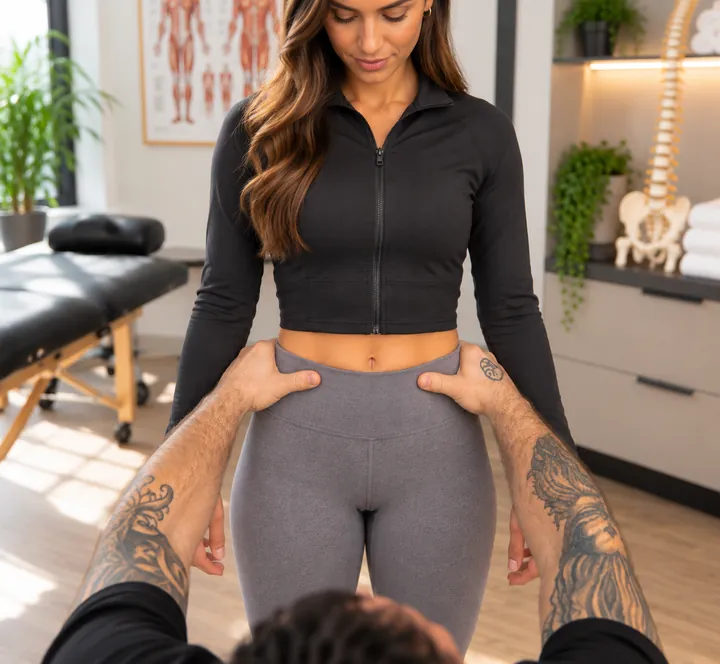
Their hands on top of your hips, your fingers on theirs: you feel for yourself which side is lower.
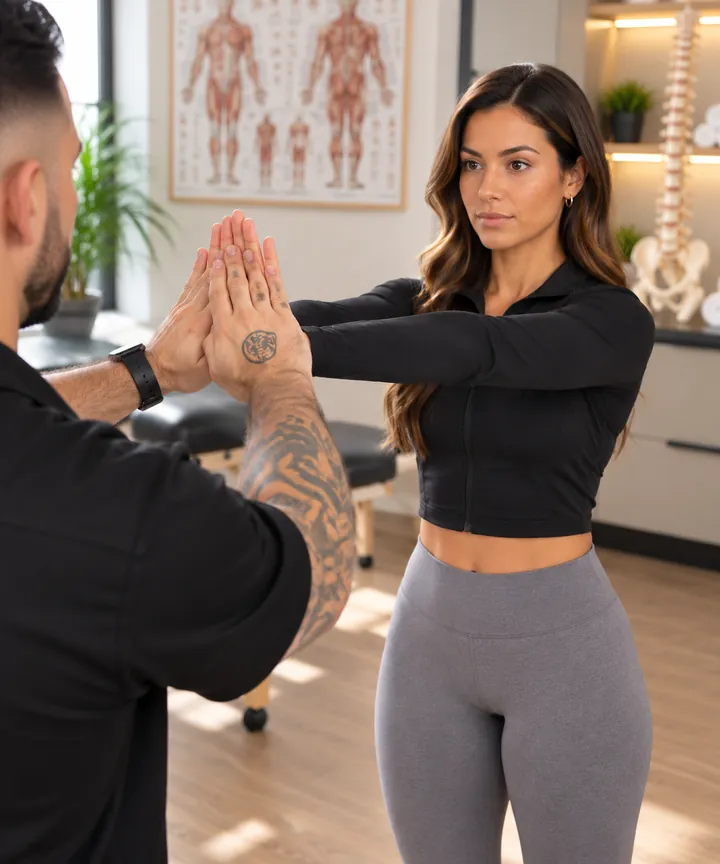
Arms out in front of you, the tester brings your hands together without your help: we note which side moves ahead.
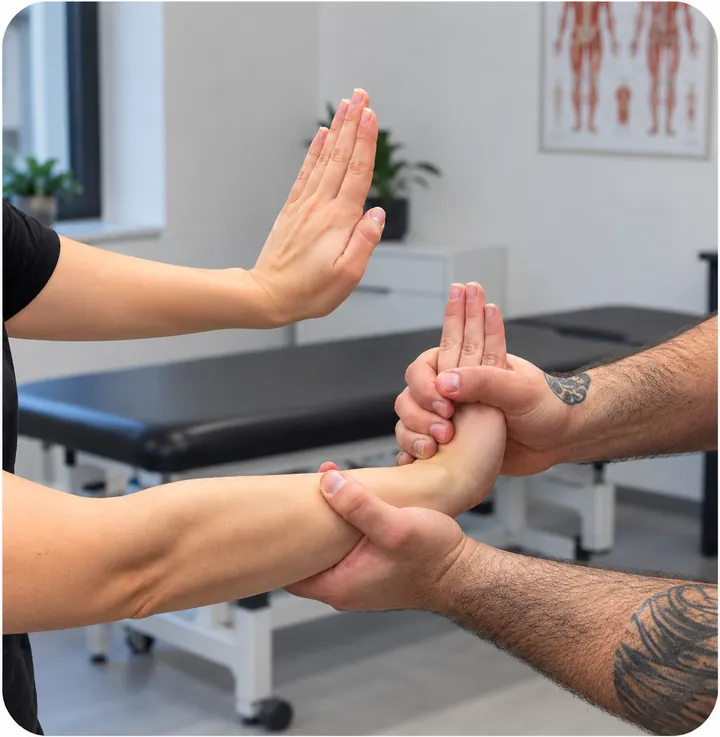
Arms out, wrists raised, the tester pulls. Both sides must hold.
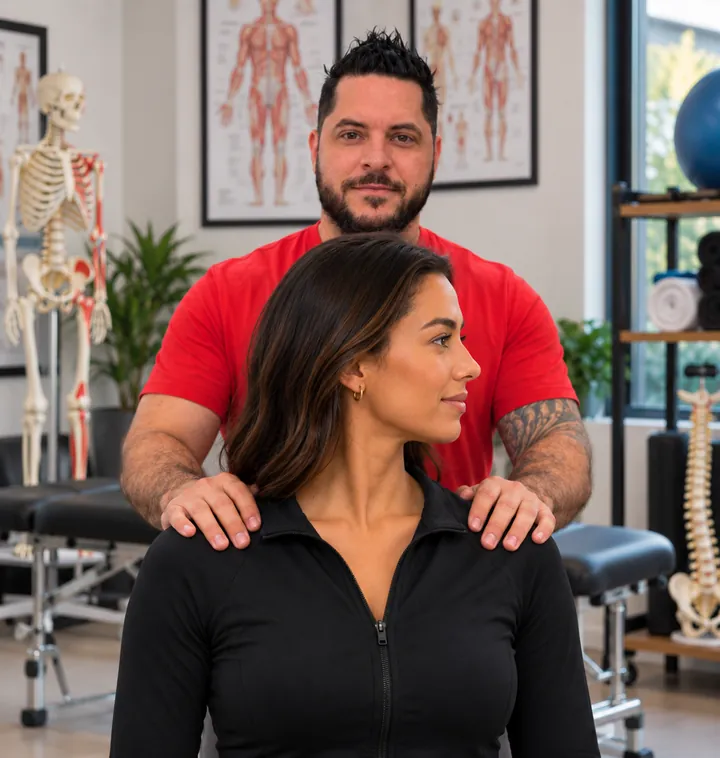
You turn your head, shoulders held. Each side is scored out of 7.
Illustrations · functional assessment, not medical
If the measurement doesn’t move, your test is refunded.
Book my test →Who is it for?
Every athlete is welcome. Each one has a left side, a right side, a brain and a nervous system.
Fewer compensations, more control, in movement as in focus.
Sport
The braked side comes back into the movement.
- More left / right symmetry, under the bar as in contact.
- A posture that holds when fatigue sets in.
Everyday life
Your body compensates less, all day long.
- Everyday balance and stability: maintenance, not repair.
- Steadier attention in front of screens (internal observation).
Professionals
Show what you already see.
- A measurable before / after in 120 seconds, in front of your client.
- Objective postural markers on 3 planes.
Functional observations from internal research · formal studies under way · individual results vary · not a medical claim
They felt it.


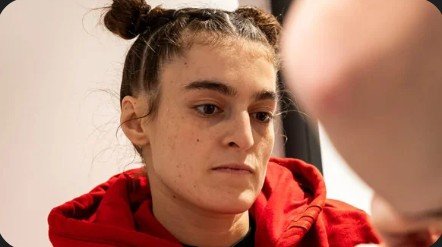



Testimonial excerpts published with each person’s consent · individual experience and observations · results vary · not a medical claim
What we promise
A reorganised posture, measured in front of you.
What we’re studying
Your body’s resilience to electromagnetic load.
Everything else
Individual experiences, which we do not claim.
They measure with us




What we measure.
What we’re exploring.
Each row opens the full study: level of evidence, method, limits.
Three levels of evidence, always shown: documented (literature) · internal observation (our measurements, not audited) · hypothesis (under study). Q-Technology supports rehabilitation; it does not replace it.

From disability to strength athlete.
Today a researcher, entrepreneur and international educator.
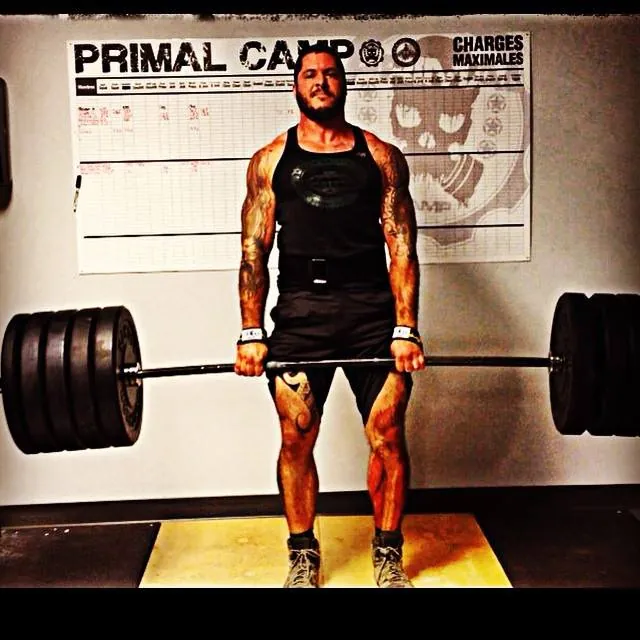
At 17, doctors were considering a wheelchair. At 25, he could no longer turn his head. He became a powerlifter and a member of Quebec’s national buhurt team, then coached strength, boxing and MMA champions. The four biophysical profiles grew out of more than 17 years of field research ; Q-Technology then developed technologies calibrated to each one.
Nicolas Desjardins
PhD in Natural Medicine · DBA(c) · Master’s in Neuroscience (in progress) · Founder, Q-Technology OÜ
A tester near you.
One tester per 100,000 people, in 14 countries.
Map updated automatically from the tester network.
Pick your city, pay for your test and get your code: the testers in your area appear, and you request your appointment.
You can feel your weak side tonight.
No need to take our word for it. A wall, a stable floor and your two legs: your body shows you where it brakes.
Get ready
Barefoot, next to a wall or a chair, on a stable floor. No equipment.
Eyes open
Stand on your left leg and count the seconds until you have to put your foot down. Stop at 30. Then the right leg.
Eyes closed
Same thing, left leg then right leg. Note all four times.
Ready? Stand next to the wall.
Press the space bar or the button as soon as your foot touches the floor.
Or type your times by hand
Do you plan to take your test this month? If so, pick the day, the time and the nearest tester on the map now.
An at-home observation, not a diagnosis. Keep a support within reach; stop if you feel dizzy.
The 10 tests that show what your body compensates for.
The free guide to the 120-second demo. Two people, no equipment, a few minutes: you will know where your body brakes before you even meet a tester.
- The full PDF guide (13 pages) in your first email
- The tests explained in three emails, one by one
- Unsubscribe in one click, any time
Get the guide by email.
Your first name, email and country: that’s all.
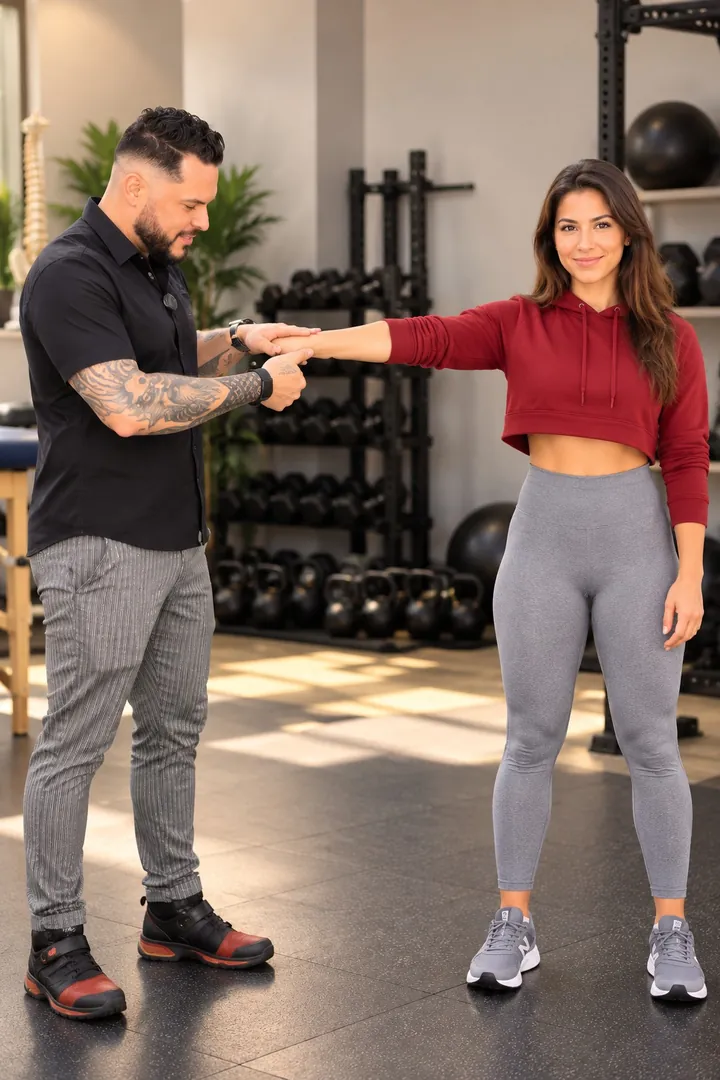
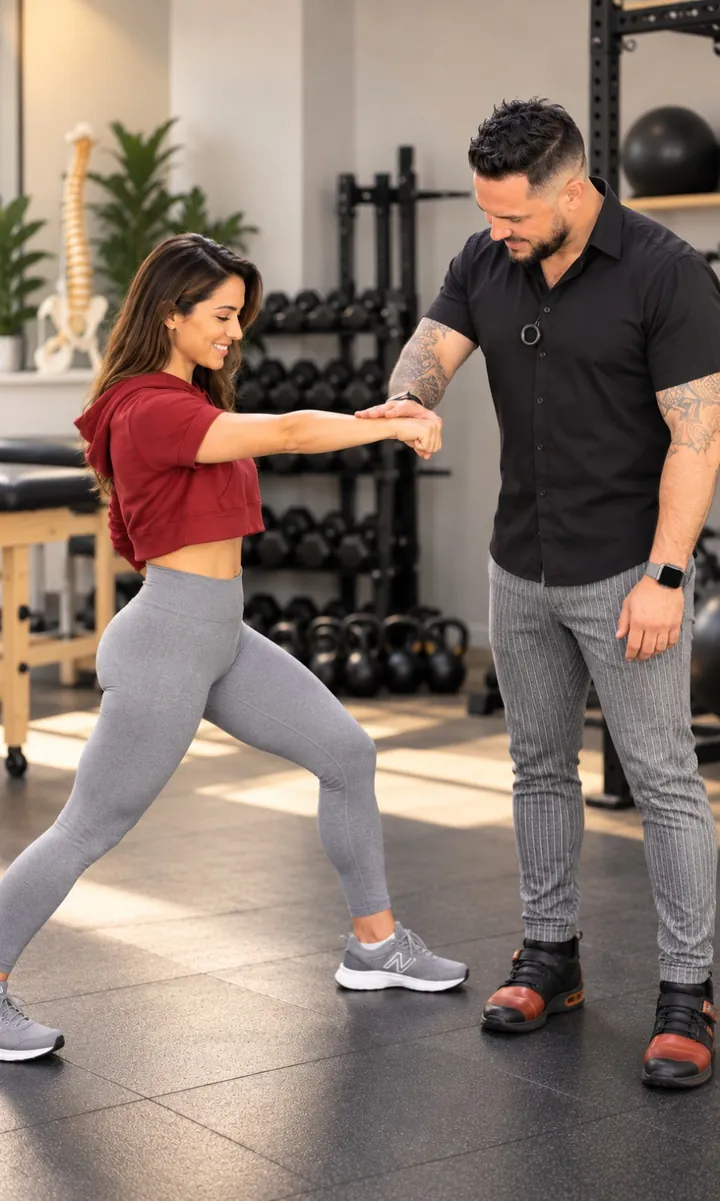
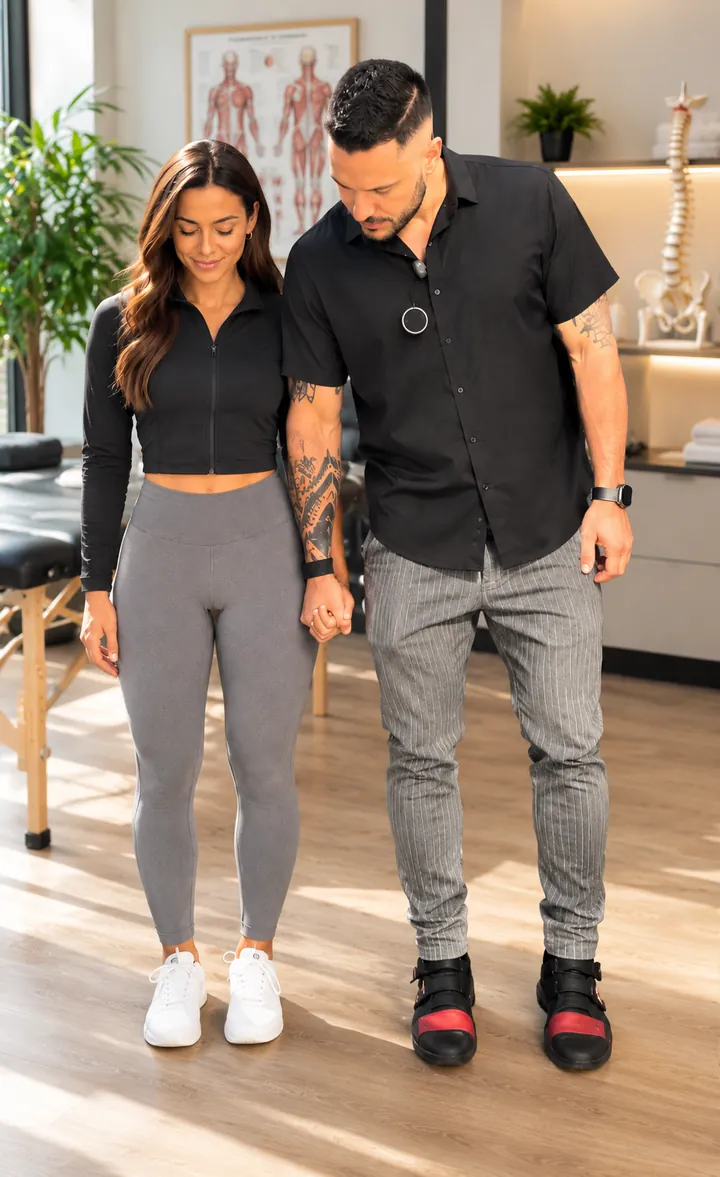
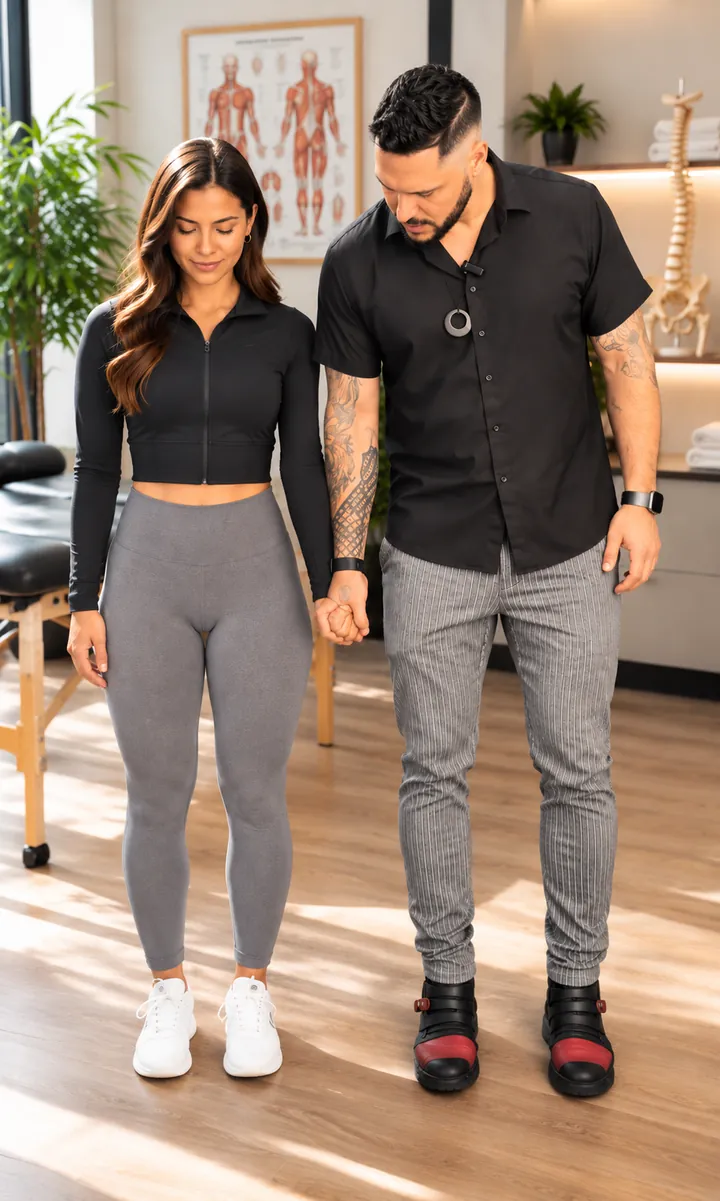
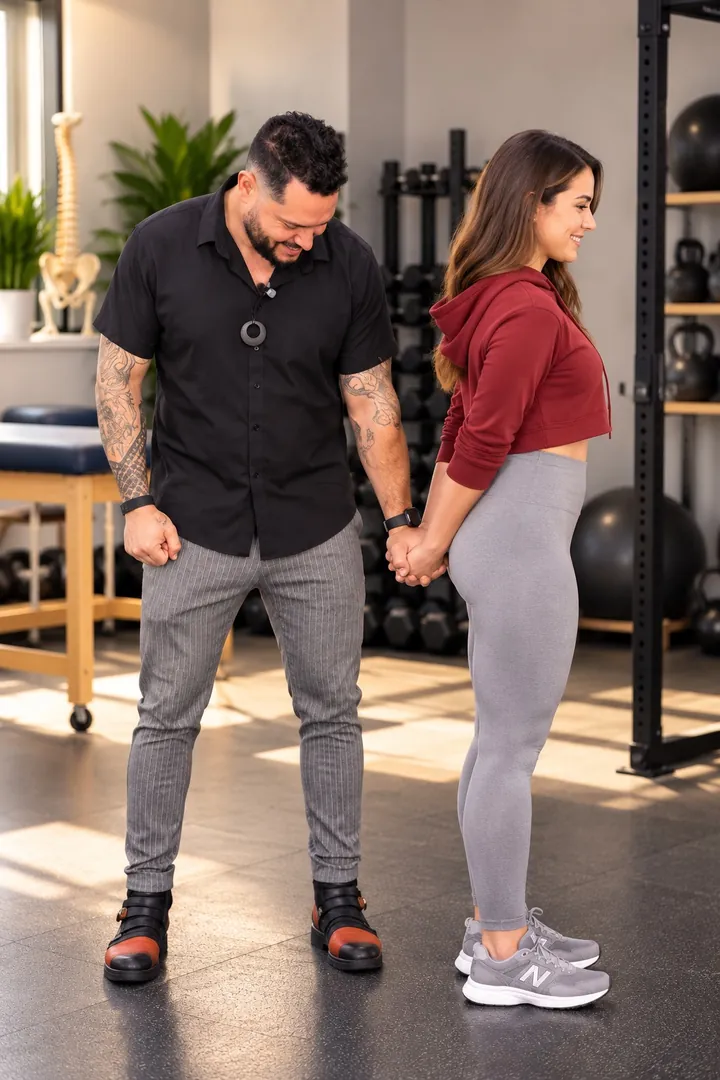
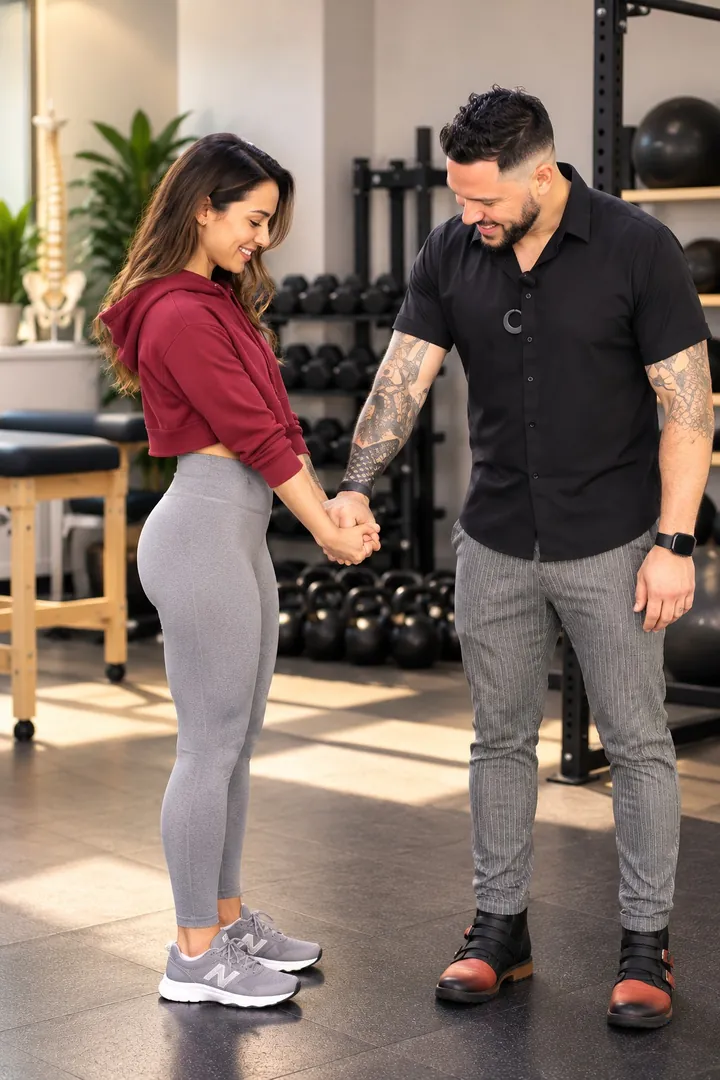
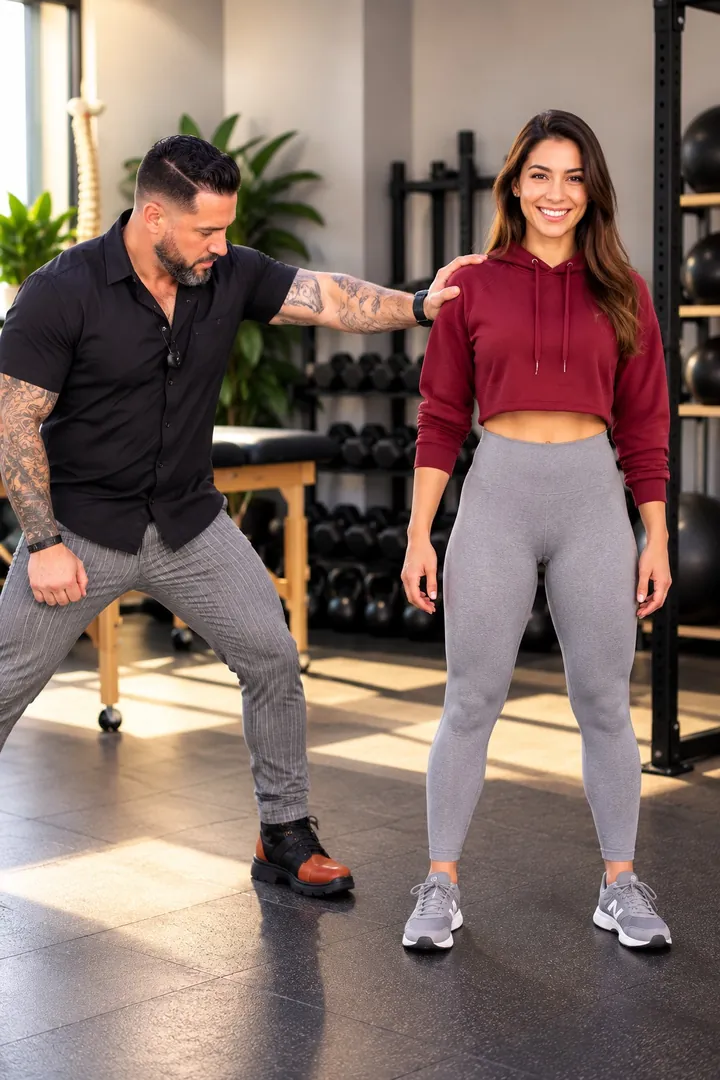
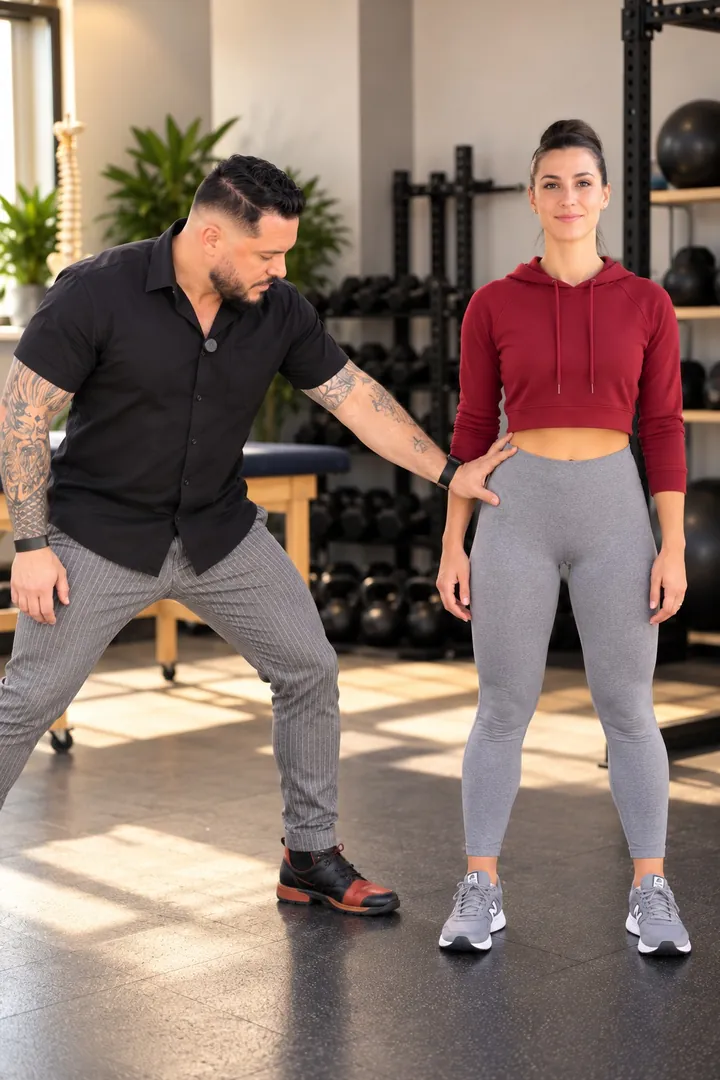
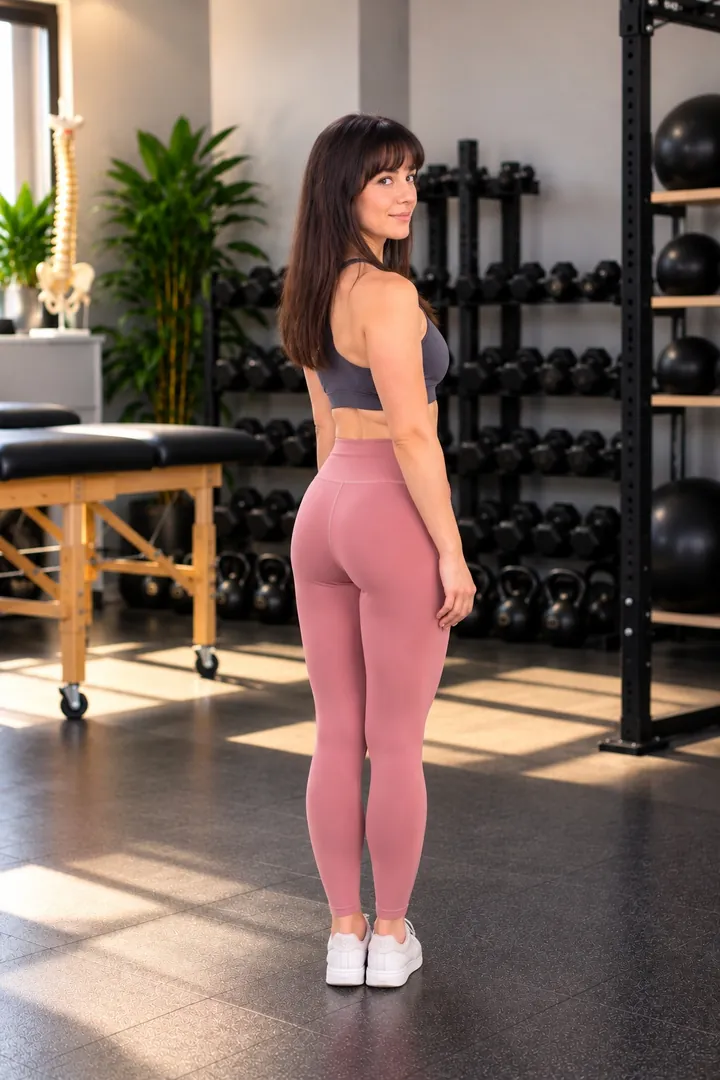
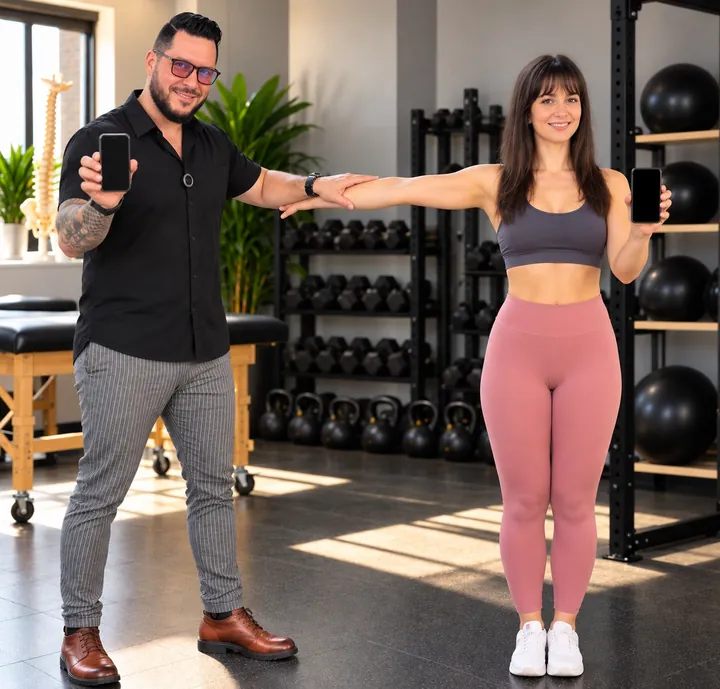
AI-created illustrations (Nicolas and Stella, an AI-created character) · functional tests, not medical.
Frequently asked questions
Is it a medical device?+
No. Q-Technology is a passive technology: no battery, no electrodes, non-invasive. It does not diagnose, cure or treat anything. It can accompany follow-up care or rehabilitation; it does not replace them.
What happens in 120 seconds?+
The tester runs a few simple tests without the technology (balance, mobility, strength), then repeats them with it. You compare on your own body. The 15-minute Perfect Posture Test goes further: it determines your biophysical profile.
How does it work?+
It is a passive resonant circuit, with no battery and no electrodes. It has no emission of its own and no app: it captures ambient electromagnetic energy within its own resonance band and converts it into a coherent signal. Our working model: it is as if this signal spoke the nervous system’s own language. You verify the result on your own body.
Is it a placebo effect?+
Possibly in part, and we won’t tell you otherwise: nobody can rule out a placebo component without a randomised sham-controlled trial, which we have not yet run. What makes placebo alone an insufficient explanation: the effect disappears when the circuit is removed and returns when it is put back, and you can repeat the measurement yourself as many times as you like.
Are there published studies?+
Not yet on Q-Technology itself, and we say so plainly. What is published is the foundation: sensory integration and postural control (Kavounoudias & Roll, Horak, Peterka), chronic electromagnetic exposure (Bandara & Carpenter, 2018), heart coherence (McCraty, 1995). What we have of our own are internal observations across a network of more than 80 testers in 14 countries.
I’m sceptical.+
Good. The removal test is made for you: take the circuit away and the effect goes; put it back and it returns. And if the measurement doesn’t move, your test is refunded.
Are there any side effects?+
For some people, the body adapts during the first days. This can show up as unstable energy (a boost or a dip), headaches, changes in sleep, and more rarely passing muscle aches. It is temporary. Shorten wearing time, then increase it gradually. If it persists, take it off and write to us.
What if it isn’t right for me?+
You know what to expect at every step. The test: booked on our website, you can reschedule it up to 48 hours before. In the European Union, you also have 14 days to withdraw, as long as the session hasn’t taken place. And if no improvement is measured during the session against the announced criteria, your test is refunded. Products: in the European Union and the United Kingdom, you have 14 days after delivery to withdraw. This right does not apply to insoles cut to your size, and may not apply to a purchase made after an in-person presentation with a tester. In Switzerland, Canada and elsewhere, there is no return for a simple change of mind. In every case: the legal guarantee of conformity applies, and every circuit carries a 2-year warranty against manufacturing defects (Terms of Sale v4.1, article 28). Full details are in our Terms of Sale.
How long does delivery take?+
Your order is prepared within 1 to 3 business days after payment, then delivered within 5 to 20 business days depending on the destination. These times are indicative. Outside the European Union, customs duties or import taxes may be charged on delivery.
Updated November 5, 2026
Where do you want to start?
What we learn, test after test.
Imagine your next training session
with both sides working together.
It starts with 120 seconds to see it, on your own body, without the technology, then with it. If nothing moves, your test is refunded.