

We know biohacking through nutrition, cold and breathing. One lever is still little explored: POSTURE.
It changes how you move, how you spend your effort and how your body compensates.
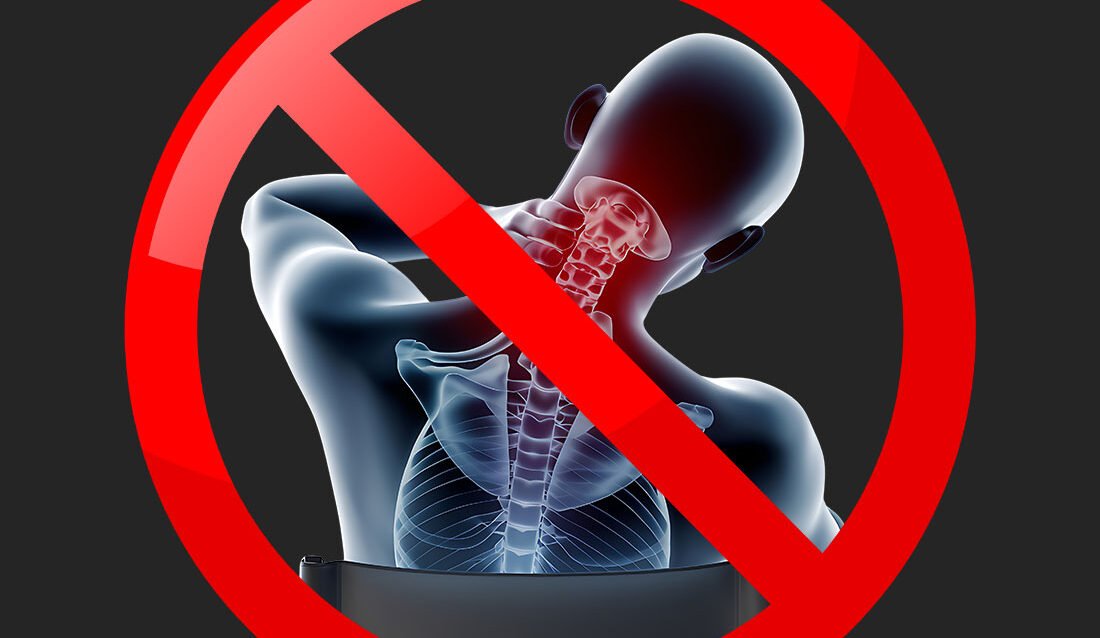
Why pain and posture often go together
Posture is much more than appearance: it is how your nervous system organizes your muscles and joints, at every moment.
- Disorganized posture: lasting tension, reduced mobility, costly movement patterns.
- Organized posture: less wasted effort, smoother movement.
And each feeds the other: when it hurts, we compensate; when we compensate for long, posture becomes disorganized. That is the loop we want to look at head-on.
Postural biohacking: measurement rather than belief
Athletes, desk workers, wellness enthusiasts: more and more people turn to neuroscience and technology to understand how they move every day.
At Q-Technology, we don’t ask you to believe us:
- a postural organization observed during the test, in centimetres, across three planes;
- strength and stability tests that hold or give way, in front of you;
- a passive technology, with no battery and no electrode.
3 levers we look at in the test
1. Give the nervous system a stable reference
Our hypothesis: the circuit gives the nervous system a coherent reference. What we observe while it is worn: fewer compensations, smoother movement.
2. Let the deep muscle chains do their job
During the test, we look at balance and hold. When the deep muscles do their work, the surface muscles no longer have to compensate.
3. Leave “alert” mode
A body on alert tenses for nothing. What we look at: tests that gave way and now hold, a neck rotation that gains points out of 7.
Changing your posture means changing how you move
It is not “stand up straight”. It is how your nervous system organizes your whole body. Athlete, coach or simply active: anyone can check it on themselves.
And it is a support, not a cure: wear the circuit, the organization is there; take it off, you return to your starting point. Like glasses: you wear them, you see; you take them off, you don’t.
And you, where would you start: understanding your posture, or seeing it change during a test? → Find a certified tester
Passive · Non-invasive · No battery · No electrode | Functional observations from internal tests | Individual results vary | Not a medical claim.